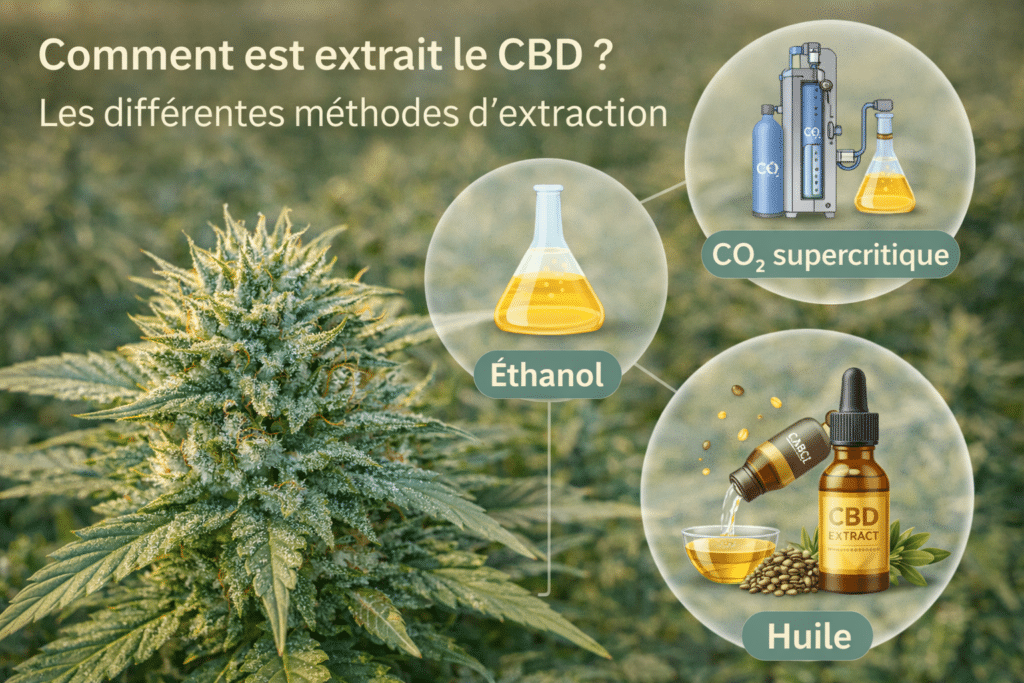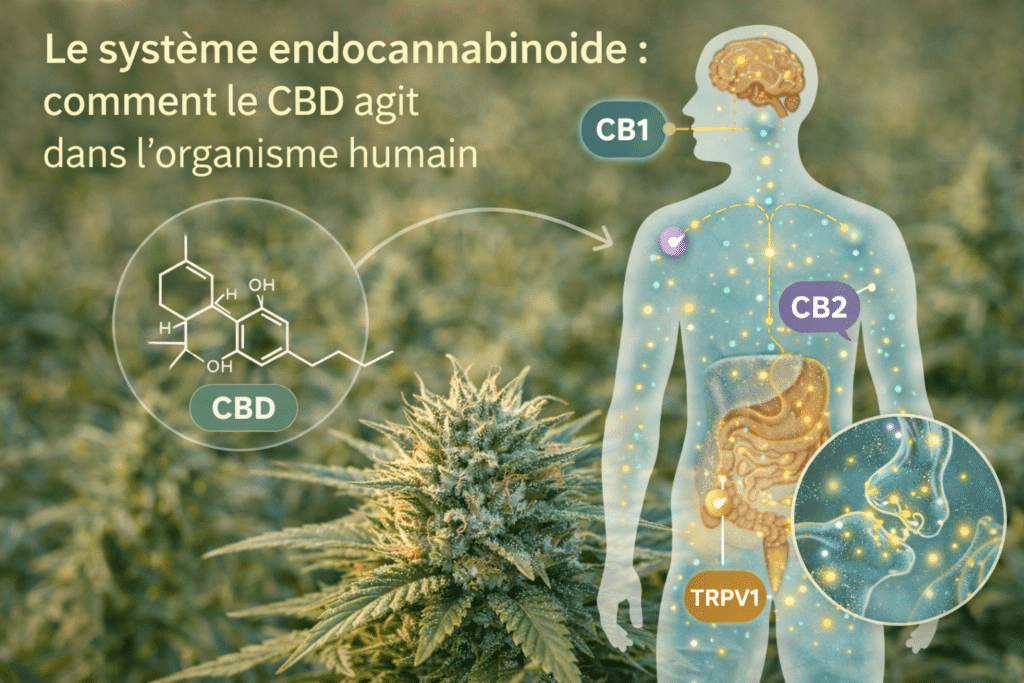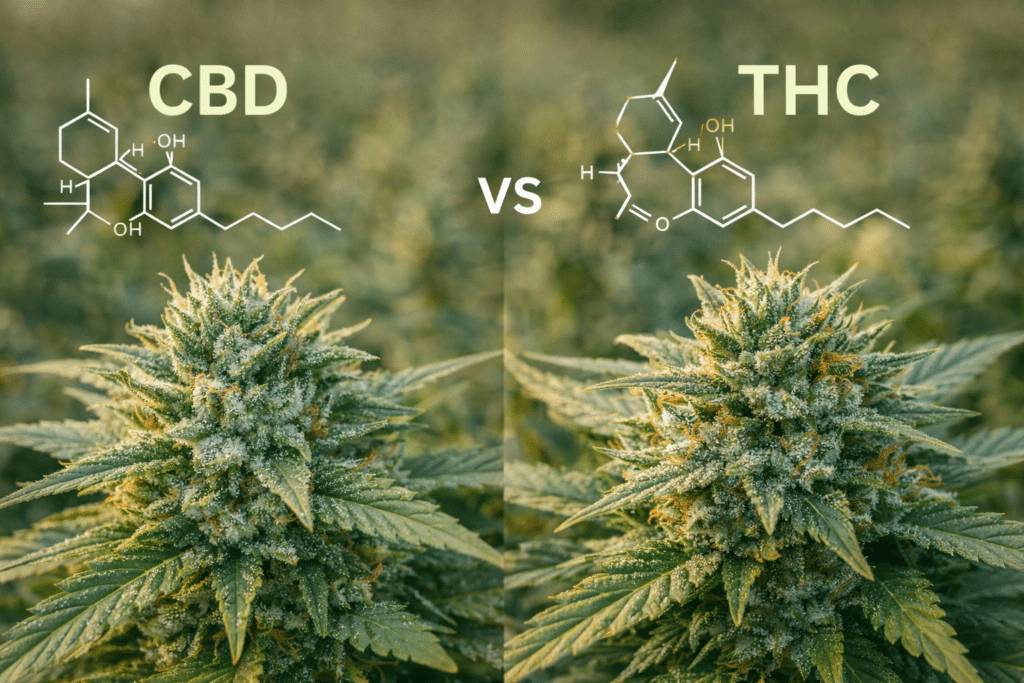
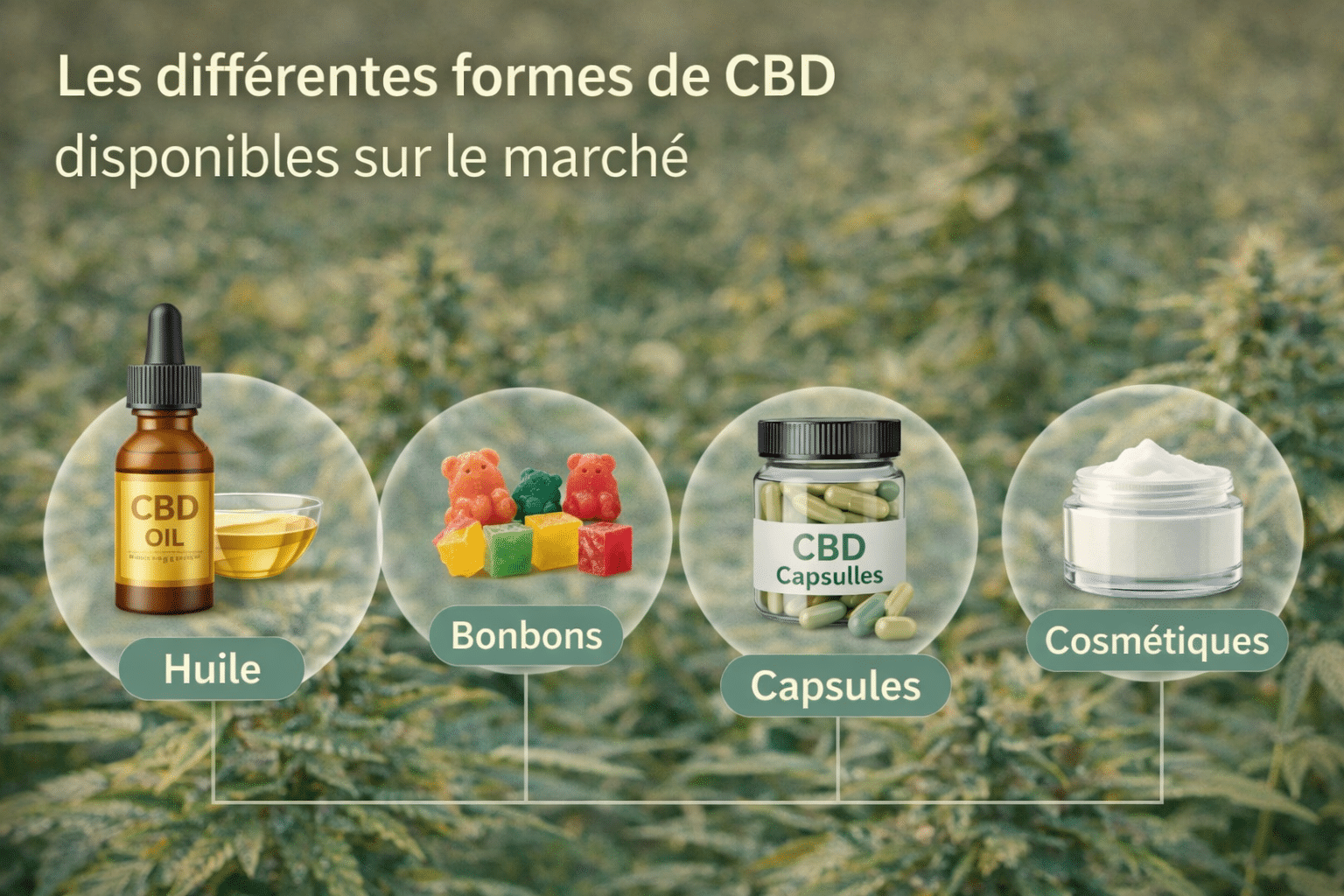
Cannabidiol, better known as CBD, is one of the most popular cannabinoids derived from hemp ( Cannabis sativa L.). Thanks to advances in cannabidiol extraction and the growth of the industrial hemp market, CBD is now available in many forms. This diversity of products allows consumers to discover different ways to explore the natural properties of hemp. Flowers, resins, oils, infusions, and concentrated products—each form of CBD has its own characteristics, composition, and method of use. Understanding the different forms of CBD available on the market allows consumers to better choose products suited to their preferences and explore the world of hemp in a more informed way. This variety of products also explains the rapid growth of the CBD market in Europe and worldwide.
CBD in the form of hemp flowers
CBD flowers represent one of the most natural forms of cannabidiol. They come directly from the female flowers of the hemp plant, where trichomes—tiny resinous glands containing cannabinoids and terpenes—are concentrated. CBD flowers are generally cultivated from hemp varieties selected for their low THC content and high cannabidiol content. Depending on the agricultural techniques used, there are several types of CBD flower cultivation. Indoor cultivation takes place inside a controlled environment, which optimizes flower quality and density. Greenhouse cultivation combines the use of greenhouses with natural light, offering a good balance between quality and yield. Outdoor cultivation takes place in open fields and allows for the production of hemp flowers in a more natural and environmentally friendly way. CBD flowers are prized for their aromatic richness, as they retain all the terpenes naturally present in the plant.
CBD resins and hash
CBD resins, often called CBD hash, are obtained by compressing the resin extracted from hemp trichomes. This resin is particularly rich in cannabinoids and terpenes, giving it a dense texture and intense aromas. Manufacturing methods can vary depending on the producer and the traditions used. Some resins are produced from compressed hemp pollen, while others use modern extraction techniques to concentrate the cannabinoids. CBD resins can have different textures, ranging from soft and malleable forms to more compact blocks. Their aromatic profile largely depends on the hemp varieties used and the manufacturing process. CBD hash is now one of the most popular product categories in hemp shops.
CBD oils
CBD oils are among the most widespread products in the cannabidiol world. They are generally obtained by blending a CBD extract with a carrier oil, often hemp, coconut, or olive oil. This formulation stabilizes the cannabidiol and makes it easier to use. CBD oils can contain varying concentrations of cannabidiol, allowing for customization to suit individual consumer needs and preferences. There are also several types of oils, distinguished by the composition of the extract used. Full-spectrum contain all the cannabinoids and terpenes present in the hemp plant. Broad-spectrum retain several cannabinoids but completely eliminate THC. CBD isolate-based oils contain only purified cannabidiol. This diversity of formulations explains why CBD oils occupy a central place in the cannabidiol market.
CBD cartridges and vapes
CBD cartridges and vapes represent a modern way to consume cannabidiol. These products use concentrated CBD extracts, often combined with terpenes to recreate the natural aromas of hemp. Cartridges are typically designed for use with compatible batteries, often called 510 batteries, which heat the CBD-containing liquid to produce vapor. Disposable vapes offer a convenient alternative that requires no additional equipment. The extracts used in vapes can be in the form of distillates or cannabinoid-enriched extracts. This product category has grown significantly with the evolution of extraction and vaporization technologies.
Hemp infusions and teas
Hemp infusions offer another way to experience CBD. These products are typically made with leaves, flowers, or herbal blends associated with hemp. Hemp infusions may also include other aromatic plants to create blends with diverse flavor profiles. The terpenes present in hemp contribute to the natural aromas of the infusions, which can have vegetal, woody, or slightly fruity notes. Hemp teas are among the traditional products derived from the plant and reflect the historical use of cannabis in herbal preparations.
CBD cosmetics
CBD is also used in the cosmetics industry. Cannabidiol cosmetic products include creams, balms, skin oils, and serums. In these formulations, CBD is often combined with other plant-based ingredients such as essential oils or botanical extracts. Hemp cosmetics typically use CBD extracts incorporated into cosmetic bases designed for skincare. Hemp seed oil is also used in many cosmetic products due to its high content of essential fatty acids.
CBD-based food products
Cannabidiol can also be incorporated into certain food products. CBD edibles include, for example, gummies, chocolates, and cannabidiol-enriched beverages. These products typically use purified CBD extracts to ensure even distribution throughout the food preparations. The growth of cannabidiol-based food products reflects the evolution of the hemp market and the diversification of available products.
CBD concentrates and extracts
In the hemp industry, some products contain highly concentrated CBD extracts. These extracts can be used in the manufacture of various products or offered as concentrates. Examples of such extracts include CBD distillates, cannabidiol isolates, and certain terpene-rich extracts. Concentrates are obtained through advanced extraction and purification processes that isolate the cannabinoids present in the plant. These products reflect the technological advancements of the hemp industry and the ongoing research into cannabinoids.
The evolution of the CBD products market
The diversity of CBD forms available today reflects the rapid evolution of the hemp market. Scientific advances in cannabinoid extraction and innovations in formulations have led to a wide range of products suited to various uses. Flowers, resins, oils, infusions, and concentrated extracts now constitute the main categories of cannabidiol-based products. This diversity contributes to the growing popularity of CBD and the expansion of the hemp market in Europe and many other parts of the world.