Get 10% off your first order with the code VibeWelcom I'm ordering
Free delivery on orders over €49! I'm ordering

Legal CBD Next Generation – Vibe City, France's No. 1 Premium CBD Shop

Buy your legal CBD in France at Vibe City: flowers, resins, oils and premium cannabinoids certified by laboratory, fast delivery.

New Arrivals at the CBD Shop

Discover the world of Vibe City , your CBD shop dedicated to lovers of quality hemp. Browse our latest arrivals and explore a carefully curated selection of CBD flowers, resins and hash, concentrated oils and wellness infusions , chosen to showcase the full natural potential of hemp.

Each product is selected for its quality, aromatic profile, and compliance with European legislation. With Vibe City , enjoy legal, authentic, and carefully selected CBD to support your daily well-being.

Vibe City, your leading CBD shop in France and Europe.

Buy legal CBD online from a premium selection of compliant CBD flowers, resins, oils and cannabinoids (THC < 0.3%).

Controlled quality, transparent traceability and expertise at your service: take advantage of a wide selection of high-performance CBD products at the best value for money.

Order with confidence and discover a simple, secure and fast shopping experience.

Discover our selection of potent CBD flowers , grown using various methods: indoor, greenhouse, and outdoor . Each variety is chosen for its aromatic profile, quality, and cannabinoid content.

For those who love cheap CBD , also explore our Small Bud , made up of small CBD flowers offering excellent value for money, without compromising on flavors or effects.

Discover our selection of premium CBD resins and hash , crafted from carefully cultivated hemp rich in cannabinoids. Our resins stand out for their varied textures, intense aromas, and authentic terpene profiles , offering a complete experience for hemp concentrate enthusiasts.

Whether you are looking for a powerful CBD hash, a traditional resin or a cannabidiol-rich concentrate , Vibe City offers products that comply with European legislation (THC < 0.3%), selected for their quality and aromatic intensity.

Discover our selection of next-generation cannabinoids , designed to offer diverse experiences to hemp enthusiasts and fans of innovative extracts. At Vibe City , we offer products made from legal cannabinoids, selected for their quality, purity, and compliance with European regulations.

Whether you are curious to discover the latest innovations in the hemp market or looking for more concentrated extracts, our range of cannabinoids allows you to explore new possibilities while benefiting from controlled and carefully selected products.

Discover our selection of hemp and CBD-based cosmetics , specially designed to hydrate, soothe, and protect your skin every day . Rich in natural active ingredients, these products harness the properties of hemp to provide comfort, suppleness, and skin balance , while respecting even the most sensitive skin. Creams, balms, gels, or oils: each product easily integrates into your beauty routine.

Our formulas combine CBD, CBG, and plant extracts for comprehensive action, ideal for combating external aggressors such as cold, pollution, and stress. Prized for their pleasant texture and effectiveness, these cosmetics help you achieve soft, nourished, and visibly healthier skin , thanks to a natural and modern approach to skincare.

Customer Reviews of Our CBD Products

Discover testimonials and feedback from our customers on our CBD flowers, resins, oils and products.

What is CBD?

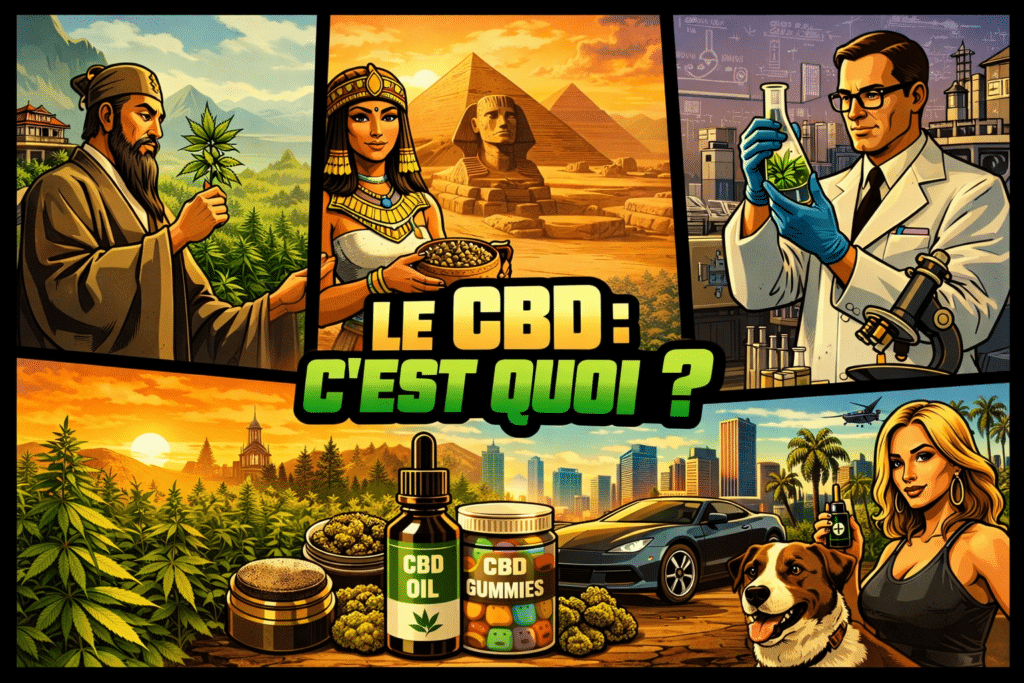
CBD throughout history

Hemp is a fascinating plant that has been part of humanity's life for thousands of years. Used by ancient civilizations for its strong fibers, nutritious seeds, and oils, it already held an important place in Chinese and Egyptian cultures. Textiles, food, traditional uses: hemp was recognized for its versatility and natural richness.

Today, this ancestral heritage continues through CBD, a compound naturally present in the hemp plant. While its uses have evolved, its origin remains the same: a plant cultivated for millennia for its numerous properties.

From a scientific standpoint, cannabidiol was first isolated in 1940 by American researcher Roger Adams and his team. A few years later, in 1963, researchers Raphael Mechoulam and Yechiel Shvo succeeded in precisely determining its chemical structure. These discoveries marked the starting point of modern research on CBD, allowing for a better understanding of its mechanisms and distinguishing it from other cannabinoids found in hemp.

Today, interest in CBD stems from both this age-old tradition and contemporary scientific advancements. It embodies a convergence of ancient know-how and modern innovation.

What exactly is CBD?

CBD, or cannabidiol, is one of the many cannabinoids naturally present in the hemp plant. This plant contains several active compounds such as THC, CBN, and CBG. Cannabidiol is one of them.

Unlike THC, CBD has no psychotropic effects. It does not cause euphoria or altered perception. This fundamental difference is what allows its legal sale in many European countries today, provided that regulatory THC limits are respected.

In some varieties of industrial hemp, CBD can represent a significant proportion of the cannabinoids present. Over the years, it has become a major player in the natural wellness sector.

CBD interacts with the endocannabinoid system, a biological system present in humans and animals. This network plays a regulatory role in many functions: mood, sleep, appetite, stress management, and even the perception of certain bodily sensations. This interaction explains the growing interest in this molecule.


CBD throughout history and in the present

Why is there such a craze for CBD in France and Europe?

If CBD is enjoying increasing success, it is partly because it is being studied for its potential properties, without presenting the psychotropic effects associated with THC.

Scientific research continues to explore its mechanisms of action and its interaction with various biological systems. At the same time, a growing number of consumers are interested in natural alternatives as part of a holistic wellness approach.

CBD has an important characteristic: it is lipophilic, meaning it dissolves in fats. This property influences its formulation, particularly in oils, and explains its natural presence in certain biological environments.

When used appropriately and in accordance with regulations, CBD is now part of a quest for balance and relaxation in daily life. Its appeal lies in its natural composition, its legality, and the variety of formats available.

The benefits of CBD: what effects on your well-being?

CBD (cannabidiol) is generating increasing interest in France and Europe. Naturally present in hemp ( Cannabis sativa L. ), it is now widely used in the form of CBD flowers, CBD oils, resins, capsules or cosmetics .

Before going any further, an essential point: CBD is not a medicine . It does not replace any medical treatment and should not be considered as such. Scientific research is progressing rapidly, but some effects still need to be confirmed by large-scale clinical trials.

That being said, numerous studies suggest that cannabidiol could play an interesting role in overall well-being , particularly through its interaction with the endocannabinoid system , a biological system involved in the regulation of many physiological functions.

Here is a structured overview of the main potential benefits of CBD.

CBD and pain: a natural support against inflammation

One of the most studied areas concerns the use of CBD to relieve pain .

Research indicates that cannabidiol may act indirectly on receptors involved in pain perception within the nervous system. It interacts in particular with CB1 and CB2 receptors of the endocannabinoid system, as well as with other biological targets linked to inflammation.

CBD is particularly studied for:

  • Chronic pain

  • Inflammatory pain

  • Joint pain

  • Muscle tension

Its anti-inflammatory potential would partly explain this effect. By modulating certain immune responses, it could help reduce the inflammation responsible for many persistent pains.

More and more consumers are choosing broad-spectrum or full-spectrum CBD oils , as well as concentrated CBD resins , to complement their wellness routine.

CBD, stress and anxiety: an impact on emotional balance

CBD is also being studied for its potential effects on stress and anxiety .

Several scientific studies suggest that it could interact with serotonin receptors (notably the 5-HT1A receptor), which are involved in regulating mood and stress responses.

This interaction could contribute to:

  • Reduce the feeling of stress

  • Alleviating certain forms of anxiety

  • Promote a state of mental relaxation

  • Improve emotional stability

It is important to note that studies on depression and anxiety disorders are still ongoing. CBD should not be used as a substitute for prescribed medical treatment. However, its non-psychoactive profile (THC < 0.3% in legal products in France) makes it an increasingly explored option for everyday well-being.

Improved sleep: an ally for more peaceful nights

Sleep is closely linked to stress, anxiety, and hormonal balance. By promoting relaxation, CBD could indirectly improve sleep quality .

Some people report:

  • Falling asleep faster

  • Fewer nighttime awakenings

  • A feeling of deeper rest

  • Better recovery upon waking

Cannabidiol does not act like a conventional sleeping pill. Rather, it appears to contribute to a better overall balance, thus facilitating natural sleep onset.

Combined with ingredients like melatonin , some products may enhance this effect. However, every body reacts differently, and it is recommended to start with a gradually increasing dosage.

CBD and skin health: a targeted topical approach

CBD is also present in many cosmetics and dermatological treatments .

Thanks to its potential anti-inflammatory and sebum-regulating properties, it could be useful for certain skin problems such as:

  • Acne

  • Eczema

  • Psoriasis

  • Redness and irritation

Applied as a cream, balm, or serum, cannabidiol acts locally. It may help soothe skin inflammation and regulate sebum production, two key factors in dermatological disorders.

Topical CBD products are increasingly appealing to consumers looking for natural alternatives to care for their skin.

CBD and neurological disorders: a promising field of research

The neuroprotective potential of CBD is the subject of extensive studies. Research is exploring its benefits in certain neurological conditions such as:

  • Epilepsy

  • Multiple sclerosis

  • Parkinson's disease

  • Alzheimer's disease

In the case of certain forms of severe epilepsy, a cannabidiol-based drug has already been authorized in several countries, illustrating the seriousness of the research in this field.

Scientists are particularly interested in CBD's ability to:

  • Modulating neuronal activity

  • Reduce brain inflammation

  • Protecting nerve cells

However, these applications fall under a strict medical framework and require specialized monitoring.

CBD and digestion: a potential role on the gastrointestinal system

The digestive system also contains receptors for the endocannabinoid system. This explains why CBD may have an influence on:

  • Appetite

  • Nausea

  • Digestive discomfort

  • Mild gastrointestinal disorders

Some studies suggest that cannabidiol may help regulate intestinal inflammation and support digestive balance.

People experiencing discomfort related to stress or certain medications are particularly interested in this aspect. Here again, medical advice remains essential in the event of a diagnosed condition.

CBD and cardiovascular health: a developing research area

Preliminary research indicates that CBD may have an impact on blood pressure and oxidative stress .

Since chronic stress is a cardiovascular risk factor, the potential role of cannabidiol in stress regulation could indirectly benefit the cardiovascular system.

Some studies have observed:

  • A temporary decrease in blood pressure in stressful situations

  • A reduction in oxidative stress

  • A relaxing effect on blood vessels

However, these results need to be confirmed by larger clinical trials before any specific recommendation can be made.

 CBD and sports recovery: a growing interest among athletes

Many athletes now use CBD to support their recovery after exercise.

After intense training, the body experiences micro-tears in the muscles and natural inflammation. Cannabidiol may help to:

  • Reduce post-exercise inflammation

  • Relieving muscle aches

  • Promote muscle relaxation

  • Improving the quality of rest

By optimizing recovery and sleep, CBD could indirectly support overall performance.

Its non-psychoactive status makes it a product compatible with a sports routine, provided that applicable legislation and anti-doping regulations are respected.

CBD Shop in France – Buy Legal and Controlled CBD | Vibe City

Vibe City is a CBD shop specializing in the sale of legal CBD in France (THC < 0.3%) and new generation cannabinoids compliant with European regulations.

Our mission: to offer rigorously selected CBD flowers, resins, oils and extracts , with an emphasis on quality, traceability and scientific transparency.

Our Commitment to Quality – Transparency & Compliance

The CBD market is evolving rapidly. To guarantee a secure purchase, we apply strict criteria:

  • Selection of varieties authorized in Europe

  • THC level strictly less than 0.3%

  • Independent laboratory analysis

  • Batch traceability

  • Actual stock based in France

Every product available on Vibe City meets precise quality and compliance standards. We prioritize producers recognized in France and Europe.

Buy CBD Online with Confidence

Are you looking for a reliable website to buy CBD in France ?

At Vibe City, we offer:

👉 Premium CBD Flowers (indoor, greenhouse, outdoor)
👉 Concentrated CBD Resins & Hash
👉 Full Spectrum and Broad Spectrum CBD Oils
👉 Legally Available Innovative Cannabinoids

Our catalogue is structured to allow you to easily compare profiles, concentrations and uses.

Understanding CBD Before You Buy

CBD (cannabidiol) is a non-psychoactive cannabinoid derived from hemp ( Cannabis sativa L. ).

It interacts with the endocannabinoid system , which is involved in physiological balance (homeostasis).

Unlike THC, CBD does not produce a euphoric effect. In France, only products that comply with the legal limit are authorized for sale.

We provide:

  • Educational guides

  • Detailed fact sheets

  • Clear regulatory information

  • Responsible usage advice

➡️ Read our complete guides on CBD

Fast & Secure Delivery from France

  • Shipping from France

  • Neutral and discreet packaging

  • Tracked delivery 24/72h

  • Express option

  • Secure 3D Secure payment

Your privacy and the security of your data are our top priority.

CBD delivery in France and Europe

Vibe City delivers to more than 20 European countries, including:

France
Germany
Belgium
Spain
Italy
Netherlands
Switzerland
Portugal
Austria
Sweden

➡️ See the full list of countries served

Cannabinoids Blog & Expertise

We regularly publish detailed articles on:

  • The differences between CBD and THC

  • The new cannabinoids

  • European regulations

  • The quality criteria for a good CBD

Our goal: to help you make an informed purchase.

CBD is legal in France – Specialized shop for flowers, resins, oils…

Looking for legal CBD in France , of superior quality and laboratory certified? Welcome to the world of Vibe City CBD, your online CBD shop specializing in the sale of CBD flowers, CBD resins, CBD oils and new generation cannabinoids, 100% compliant with French legislation (< 0.3% THC).

Here, every product is carefully selected. Our premium CBD flowers come from controlled cultivation, are rich in natural terpenes, and are analyzed in an independent laboratory to guarantee purity, cannabinoid levels, and regulatory compliance. Our legal CBD resins and hash offer powerful aromatic profiles and a refined texture to satisfy even the most discerning enthusiasts. Our full-spectrum and broad-spectrum CBD oils are formulated to ensure optimal bioavailability and complete traceability.

Vibe City CBD is much more than just an online CBD shop. It's a carefully curated selection of cannabinoids legal in France , including innovative molecules that strictly comply with European regulations. All our products are inspected, tested, and accompanied by accessible certificates of analysis.

You will benefit from:

✔ Laboratory-certified legal CBD

✔ THC content less than 0.3%

✔ Fast delivery in France

✔ Secure payment

✔ Responsive customer service

Our goal is simple: to offer you the best legal CBD in France , with total transparency on the origin, composition and quality of each product.

Whether you are a fan of potent CBD flowers , a devotee of concentrated resins , or looking for a premium CBD oil , you will find here a complete range to suit your needs.

Enter the Vibe City CBD universe and discover a new benchmark for online CBD in France .

A rigorous selection of legal CBD certified by a laboratory in France

In a rapidly expanding CBD market, not all products are created equal. At Vibe City CBD, quality is not based on marketing promises, but on a rigorous process of selection, analysis, and regulatory compliance.

Each product offered in our online CBD shop undergoes independent laboratory testing . These tests verify:

  • The exact level of CBD and cannabinoids present

  • Compliance with the legal THC threshold of less than 0.3%

  • The absence of heavy metals

  • The absence of pesticides

  • The absence of residual solvents

This requirement guarantees that CBD is legal in France and fully compliant with European regulations , while ensuring safety and transparency for you.

Traceability and European compliance

Our CBD flowers, resins, and oils come from crops grown under authorization within the European Union. The varieties used are listed in the official catalogue of authorized hemp varieties, in accordance with current regulations.

Traceability is complete, from cultivation to sale. This means that every CBD product sold in our shop can be identified, checked, and substantiated in the event of an audit.

Buying legal CBD in France should never be a gray area. That's why we prioritize a responsible and transparent approach.

CBD FAQs

The question often arises: can you drive after consuming legal CBD in France?
The answer deserves a clear explanation, as it rests on an essential distinction between the legality of the product and road traffic regulations.

CBD (cannabidiol) is not classified as a narcotic in France. It is authorized for sale when its THC content is below the regulatory threshold of 0.3%. However, THC (delta-9-tetrahydrocannabinol) remains a substance classified as a narcotic, even in trace amounts.

However, some CBD products, even those perfectly legal and compliant with European regulations, may contain residual traces of THC. These residues, although small and permitted in a commercial context, can be detected during a roadside check.

Why might a test be positive after consuming legal CBD?

Roadside checks in France are mainly based on saliva tests designed to detect the presence of substances classified as narcotics, including THC.

It is important to understand a fundamental point:
French road legislation does not operate on a tolerance threshold for THC.

According to Article L.235-1 of the Highway Code, the offence of driving after using narcotics is constituted as soon as a substance classified as a narcotic is detected in the body of the driver.

In other words:

  • It is not necessary to reach a certain rate.

  • There is no minimum permitted threshold.

  • The mere presence of THC is sufficient to constitute the offence.

This means that a legal CBD consumer can, in theory, test positive for THC if residual traces are detected in their saliva or blood.

What the case law says: ruling of the Court of Cassation of June 21, 2023

The criminal chamber of the Court of Cassation confirmed this interpretation in a ruling issued on June 21, 2023.

The highest court clarified that:

"The authorization to market certain cannabis derivatives, whose delta-9-tetrahydrocannabinol content does not exceed 0.30%, has no bearing on the criminalization of driving under the influence of narcotics […] regardless of the dose ingested."

In simple terms:

Even if the product consumed is legal and complies with CBD regulations, this does not automatically protect the driver in the event of THC detection during a check.

The legal logic is clear:
CBD trade regulation and road traffic regulation pursue two distinct objectives.

  • The first one regulates the placing on the market.

  • The second aims at road safety.

What are the risks involved in the event of a positive test?

If THC is detected during a roadside check, the penalties stipulated by the Highway Code are severe:

  • 6 points deducted from the driving licence

  • Fine of up to €4,500

  • Suspension or cancellation of the license

  • A prison sentence of up to 2 years

  • Vehicle immobilization

These sanctions apply regardless of whether the THC comes from a legal CBD product or an illegal product.

Does CBD have any effects that impair driving?

From a scientific perspective, CBD is not considered psychoactive in the same way as THC. It does not produce a euphoric effect or significantly impair cognitive abilities in the majority of users.

However :

  • Some people may experience mild drowsiness.

  • Full spectrum products contain traces of THC.

  • Individual sensitivity varies.

It is therefore recommended to avoid driving immediately after consumption, especially during the first uses or in case of high concentration.

Full spectrum, broad spectrum, isolate: an important difference

Not all CBD products present the same potential risk of detection.

1️⃣ CBD Full Spectrum

Contains all the cannabinoids of the plant, including legal traces of THC (< 0.3%).
➡ Theoretical higher risk of detection.

2️⃣ Broad Spectrum CBD

Contains no detectable THC (or only trace amounts).
➡ Reduced risk, but never completely zero depending on the sensitivity of the tests.

3️⃣ CBD Isolate

Pure CBD without other cannabinoids.
➡ The risk associated with THC is generally non-existent if the product is perfectly purified.

It is therefore essential to check the nature of the product consumed and to consult the certificates of analysis.

Can a positive test related to CBD be contested?

In the event of a positive saliva test, a confirmatory blood test is generally performed.
However, current case law remains strict: the mere presence of THC is sufficient to constitute an offense.

The fact of having consumed a legal product does not, in itself, constitute an automatic exemption.

What attitude should a responsible consumer adopt?

If you consume legal CBD in France and you need to drive:

  • Avoid consuming any food or drink shortly before driving

  • Opt for products without THC (broad spectrum or isolate)

  • Keep the certificates of analysis for the products purchased

  • Stay informed about legislative developments

Caution remains the best approach.

In summary

✔ CBD is legal in France if it contains less than 0.3% THC.
✔ Driving under the influence of drugs is punishable even with the mere presence of THC.
✔ A legal product can still result in a positive test.
✔ There is no legal limit for THC while driving.

Current regulations therefore require particular vigilance from CBD consumers who wish to drive.

Official source: drogues.gouv.fr

The question of daily CBD consumption frequently arises among users seeking a long-lasting and stable effect. Cannabidiol (CBD), a non-psychoactive molecule derived from hemp (Cannabis sativa L.), is now widely used in France in the form of oils, flowers, resins, capsules, and infusions.

But is it really beneficial to take CBD every day?
The answer depends on several factors: product quality, dosage, individual profile, and potential drug interactions.

Does CBD act differently when used occasionally or regularly?

CBD interacts with the endocannabinoid system (ECS), a biological network involved in regulating many functions: sleep, stress, inflammation, mood, appetite, and overall balance of the body.

Unlike THC, CBD does not produce a euphoric effect. Its action is more modulating than stimulating.

Daily consumption can help:

  • A gradual regulation of certain imbalances

  • A stability of the effects felt

  • The body adapts better to the molecule

  • A continuous action on the endocannabinoid system

Some people experience more consistent effects when they take it regularly rather than occasionally.

Is CBD addictive?

Available scientific data indicates that CBD does not have any identified addictive potential. The World Health Organization (WHO) has also emphasized that CBD does not appear to cause dependence or abuse in humans.

This means that daily consumption, in itself, is not associated with the classic mechanisms of addiction observed with certain psychoactive substances.

However, any substance consumed regularly must be used with discernment and responsibility.

The quality of the CBD is crucial

Not all products available on the market offer the same level of quality.

If you are considering taking it daily, it is essential to choose:

  • CBD is legal in France (< 0.3% THC)

  • A product certified by an independent laboratory

  • An absence of pesticides and heavy metals

  • Complete traceability

  • A concentration tailored to your profile

Regular consumption implies increased vigilance regarding the composition and purity of the product used.

CBD and drug interactions: a crucial point

CBD is metabolized by the liver, notably via cytochrome P450 enzymes. This enzyme system is also involved in the metabolism of many drugs.

This means that CBD may interact with certain treatments, including:

  • Anticoagulants

  • Antidepressants

  • Antiepileptics

  • Cardiovascular medications

  • Immunosuppressants

These interactions can alter the effectiveness or concentration of the drug in the body.

Therefore, it is strongly recommended to consult a healthcare professional if you are undergoing medical treatment before adopting a daily consumption of CBD.

What dosage should be used daily?

There is no universal dosage applicable to everyone. The response to CBD varies depending on:

  • Body weight

  • Individual sensitivity

  • Metabolism

  • The desired objective

  • The concentration of the product

In general, it is advisable to:

  • Start with a low dose

  • Observe the effects for several days

  • Adjust gradually if necessary

  • Avoid unnecessary overdoses

Regularity can sometimes be more important than quantity.

Can CBD cause side effects?

CBD is generally well tolerated, but some mild side effects may occur, including:

  • Fatigue

  • Dry mouth

  • Mild digestive problems

  • Temporary drop in blood pressure

These effects are generally moderate and related to an excessive dosage.

Controlled daily consumption, adapted to individual profiles, greatly limits these risks.

Difference between occasional use and regular use

Occasional use

Often chosen for specific and temporary needs.

Daily use

May be suitable for those seeking stability in the effects felt or a preventive and continuous approach.

The important thing is to regularly assess the relevance of consumption and to avoid any excessive automation.

Is daily CBD recommended for everyone?

No. Certain situations require particular caution:

  • Pregnancy and breastfeeding

  • Liver diseases

  • Complex drug treatments

  • Specific medical history

In these cases, medical advice is essential.

In summary

✔ CBD can be consumed daily by some users
✔ It has no known addictive potential
✔ Product quality is essential
✔ Drug interactions must be considered
✔ Medical advice is recommended if undergoing treatment

Regular CBD consumption should always be part of a responsible, informed approach adapted to your personal situation.

Confusion between CBD and cannabis is common, as both terms refer to the same plant of origin: Cannabis sativa L. However, from a legal, chemical and physiological point of view, the distinction is essential.

To fully understand the difference between CBD and cannabis, it is first necessary to distinguish between the plant, its active molecules and their legal status in France.

Cannabis: a plant containing several cannabinoids

Cannabis is a plant that naturally contains over a hundred cannabinoids. Among them, the two best known are:

  • THC (tetrahydrocannabinol)

  • CBD (cannabidiol)

These two molecules coexist in the plant, but their effects and legal status differ radically.

THC: a psychoactive molecule classified as a narcotic

Tetrahydrocannabinol (THC) is the main psychoactive substance in cannabis. It is responsible for the euphoric effects, sensory alterations, and perceptual changes associated with recreational cannabis use.

THC acts primarily on CB1 receptors of the endocannabinoid system, located largely in the brain. This interaction explains:

  • The sensations of euphoria

  • Changes in perception

  • Cognitive impairments

  • The effects on memory and coordination

In France, THC is classified as a narcotic substance.
Its consumption, possession, and sale are prohibited.

Recreational products containing THC are therefore illegal in France.

CBD: a molecule not classified as a narcotic

Cannabidiol (CBD), although derived from the same plant, has a very different pharmacological profile.

CBD:

  • Does not induce a euphoric effect

  • Does not cause any major alteration of perception

  • Not classified as a narcotic in France

  • It is authorized for sale when it complies with the legal THC threshold (< 0.3%)

Its mechanism of action is also distinct. Unlike THC, CBD does not directly stimulate CB1 receptors in a significant way. Rather, it acts as a modulator of the endocannabinoid system and also interacts with other biological systems, including:

  • The serotonergic system

  • TRPV1 receptors

  • Certain mechanisms related to the regulation of stress and inflammation

This interaction with the serotonergic system partly explains the calming effects reported by some users, as serotonin is involved in the regulation of mood, sleep and pain.

Legal difference between CBD and cannabis in France

The legal distinction is clear:

  • Cannabis containing THC is prohibited.

  • CBD is permitted, provided that the final product contains less than 0.3% THC and comes from authorized hemp varieties.

CBD is therefore legal in France when it meets these criteria.
It is sold in:

  • Specialty shops

  • Some pharmacies

  • E-commerce websites

  • Stores dedicated to hemp

However, the legality of CBD does not change the status of THC, which remains strictly regulated.

Can CBD products contain THC?

Yes, in some cases.

So-called “full spectrum” products contain all the cannabinoids present in the plant, including legal traces of THC.

This means that:

  • The THC content is below the regulatory threshold

  • Traces may nevertheless be detectable

Only an independent laboratory analysis can guarantee the conformity of a product.

It is therefore essential to check:

  • Certificates of analysis

  • The exact THC level

  • The origin of hemp

  • The extraction process

A quality CBD product must be purified and tested to avoid any significant presence of THC.

Is CBD psychoactive?

The term “psychoactive” is often misleading.

CBD is not psychoactive in the sense that it does not cause euphoria or altered consciousness like THC.

However, it can act on the central nervous system via indirect mechanisms, notably through its interaction with serotonin. This may explain some of the reported relaxing or calming effects.

It is therefore more accurate to say that CBD is not psychotropic and is not classified as a narcotic.

CBD and cannabis: a difference in usage

Recreational cannabis (THC)
  • Seeking a euphoric effect

  • Use prohibited in France

  • Substance classified as a narcotic

Legal CBD
  • Wellness use

  • Products authorized under certain conditions

  • Not classified as a narcotic

The intended use therefore differs radically.

Why does the confusion persist?

Several factors contribute to this confusion:

  • Identical botanical origin

  • The visual appearance of the flowers is sometimes similar

  • Related terminology

  • Traces of THC may be present in some products

However, the chemical and legal distinction remains clear.

Key takeaways

✔ Cannabis is a plant containing several active molecules.
✔ THC is psychoactive and illegal in France.
✔ CBD is not classified as a narcotic.
✔ CBD products must contain less than 0.3% THC.
✔ Quality and laboratory analysis are essential.

Understanding the difference between CBD and cannabis helps avoid legal confusion and promotes responsible consumption in accordance with French regulations.

Source: ameli.fr (Health Insurance)

Cannabidiol (CBD) is now widely used in France in the form of oils, flowers, resins, capsules, or infusions. Although it is not classified as a narcotic and has a generally favorable safety profile, it remains a biologically active substance.

Like any active molecule acting on the body, CBD can cause drug interactions, adverse effects and require special precautions depending on the individual's profile.

It is therefore essential to adopt a responsible and informed approach.

Drug interactions: a major point of vigilance

CBD is primarily metabolized by the liver via the cytochrome P450 enzyme system. This system is also involved in the metabolism of many drugs.

This means that CBD can alter the concentration of certain treatments in the blood, either by increasing their levels or by slowing their elimination.

Certain situations require particular caution.

Liver failure

In individuals with liver dysfunction, the body's ability to metabolize CBD may be impaired. Because CBD is metabolized in the liver, greater accumulation may occur, increasing the risk of side effects.

Medical monitoring is then recommended.

Antiepileptic treatments

CBD may interact with certain medications used to treat epilepsy, including:

  • Valproate

  • Clobazam

Cannabidiol itself possesses moderate sedative properties. Combining it with other sedative medications may increase drowsiness.

In some cases, changes in plasma concentrations may be observed. Medical monitoring is essential if antiepileptic treatment is underway.

Immunosuppressive treatments (Everolimus)

Everolimus, used particularly in oncology or transplantation, may have its absorption altered in the presence of CBD.

In some people, cannabidiol can increase the blood concentration of this drug, which exposes them to a risk of overdose.

In this context, the use of CBD must absolutely be discussed with the prescribing physician.

Possible side effects of CBD

While generally well tolerated, CBD can nevertheless cause side effects, particularly in cases of high dosage or individual sensitivity.

The most frequently reported side effects include:

  • Drowsiness

  • Fatigue

  • Dry mouth

  • Digestive problems

  • Decreased appetite

Drowsiness and alertness

Drowsiness is the most frequently observed side effect, particularly in cases of overdose.

It is therefore strongly advised against driving a vehicle or operating machinery after consuming CBD, especially during the first few uses or if a feeling of fatigue occurs.

Caution is essential, even though CBD is not classified as a narcotic.

Digestive problems

Some users may experience:

  • Abdominal cramps

  • Diarrhea

  • Nausea

  • Vomiting

These effects are generally transient and related to an inappropriate dosage or individual sensitivity.

Weight variation

A decrease in appetite may be observed in some people, which may lead to slight weight loss.

CBD and roadside checks: an indirect risk linked to THC

One often overlooked point concerns the risk of a positive THC test during a roadside check.

Some CBD products, particularly those of insufficient quality or insufficiently purified, may contain traces of THC exceeding regulatory thresholds.

In the event of the detection of THC, even in small quantities, French road regulations provide for penalties, regardless of the legality of the product consumed.

It is therefore essential to choose products that:

  • Certified by an independent laboratory

  • Compliant with the legal THC limit (< 0.3%)

  • Sourced from reliable suppliers

CBD and sport: beware of doping controls

Cannabidiol itself is not considered a doping substance by the World Anti-Doping Agency.

However, THC remains prohibited under anti-doping controls.

If a CBD product contains traces of THC, an athlete may test positive during a doping control, even if the product was legally marketed.

Vigilance is therefore particularly important for athletes subject to regular testing.

When should you consult a healthcare professional?

It is recommended to seek the advice of a doctor or pharmacist in the following cases:

  • Ongoing drug treatment

  • Chronic pathology

  • Liver failure

  • During pregnancy or breastfeeding

  • Doubt about an interaction

The healthcare professional will be able to assess the compatibility of CBD with your personal situation.

Product quality: a determining factor

The risks associated with CBD are largely influenced by the quality of the product used.

A quality CBD product must guarantee:

  • A precise concentration

  • An absence of contaminants

  • Adequate purification

  • Complete traceability

  • Accessible certificates of analysis

A poorly controlled product increases the risks associated with the presence of THC or impurities.

Key takeaways

✔ CBD is an active substance that can interact with certain medications
. ✔ Side effects are generally mild but possible.
✔ Drowsiness may occur, making driving inadvisable.
✔ Interactions exist with certain specific treatments.
✔ Product quality is essential to minimize risks.
✔ Medical advice is recommended if you are undergoing treatment or have a medical condition.

CBD consumption should always be carefully considered, tailored to your individual profile, and supervised by a healthcare professional if necessary.

Source: ameli.fr (Health Insurance)

What is a cannabinoid from a biochemical point of view?

A cannabinoid is a lipophilic molecule capable of interacting with the endocannabinoid system (ECS). Chemically, it is generally a compound derived from a terpene-phenolic ring.

Cannabinoids can be:

  • Phytocannabinoids (derived from the hemp plant)

  • Endocannabinoids (naturally produced by the body, such as anandamide or 2-AG)

  • Synthetic cannabinoids or neo-cannabinoids (produced through controlled laboratory processes)

Their activity depends on their molecular structure, their affinity for biological receptors, and their bioavailability.

How do CB1 and CB2 receivers work?

CB1 and CB2 receptors are part of the G protein-coupled receptors (GPCR).

  • CB1 receptors are primarily located in the central nervous system. They are involved in the modulation of neurotransmission.

  • CB2 receptors are primarily expressed in the immune system and peripheral tissues.

The activation or modulation of these receptors influences various physiological mechanisms: inflammation, pain, mood, stress response, cellular homeostasis.

Not all cannabinoids act on these receptors in the same way. Some are direct agonists, others act as allosteric or indirect modulators.

What is the pharmacological difference between CBD and THC?

THC is a partial agonist of CB1 receptors, which explains its psychoactive effect.

CBD, on the other hand:

  • Has a low direct affinity for CB1 and CB2

  • Acts as an indirect modulator of the endocannabinoid system

  • Interacts with other biological targets (5-HT1A receptors, TRPV1, etc.)

This difference in mechanism explains why CBD does not induce a euphoric effect comparable to THC.

What is a neo-cannabinoid from a chemical standpoint?

A neo-cannabinoid is generally a molecule derived from a natural cannabinoid, whose structure has been modified by isomerization, hydrogenation, or other controlled chemical processes.

These changes may:

  • Modify the affinity for CB1/CB2 receptors

  • Change the duration of action

  • Change the perceived intensity

As these molecules are recent, long-term clinical data are often limited.

Are cannabinoids metabolized by the liver?

Yes. The majority of cannabinoids are metabolized by the liver via the cytochrome P450 enzyme system.

This means they can:

  • To be transformed into active or inactive metabolites

  • Interact with other substances metabolized by the same enzymes

  • Show variations in concentration according to the individual enzyme profile

This metabolism explains the importance of caution when using concomitant medication.

What is the bioavailability of cannabinoids?

Bioavailability corresponds to the proportion of active substance reaching systemic circulation.

It varies depending on the method of consumption:

  • Inhalation: rapid absorption, moderate to high bioavailability

  • Sublingual route: intermediate absorption

  • Oral route: lower bioavailability due to first-pass hepatic metabolism

This parameter influences the intensity and duration of the effects.

Can cannabinoids be detected in a saliva or blood test?

Screening tests primarily look for THC and its metabolites.

Even if a product complies with the legal THC limit, traces may be detectable depending on:

  • The sensitivity of the test

  • Frequency of use

  • The concentration of the product

  • Individual metabolism

Cannabinoids other than THC are generally not targeted by standard tests, except in specific cases.

Is there any scientific data on neo-cannabinoids?

Scientific data on emerging molecules remain limited compared to CBD.

Some preclinical or pharmacological studies exist, but:

  • Large-scale clinical trials are rare

  • The long-term effects are still insufficiently documented

  • Toxicological profiles may vary

This justifies a gradual and cautious approach.

What criteria can be used to evaluate the quality of a cannabinoid product?

A reliable product should have:

  • An independent laboratory analysis

  • A precise indication of the concentration

  • Compliance with the legal THC threshold

  • Batch traceability

  • The absence of residual solvents or contaminants

Manufacturer transparency is a key indicator of reliability.

Do cannabinoids have the potential to cause addiction?

CBD does not have any identified addictive potential according to current data.

For some newer molecules, the data are still insufficient to establish a complete profile.

The potential for addiction depends on:

  • Affinity for CB1 receptors

  • The psychoactive intensity

  • Frequency of use

Moderate and supervised consumption limits the risks.

How to adopt a responsible approach?

Responsible consumption is based on:

  • A low-dose start

  • A gradual increase if necessary

  • The absence of driving after use

  • A medical consultation in case of illness or treatment

  • Regular regulatory monitoring

The world of cannabinoids is evolving rapidly, both scientifically and legally. Up-to-date information and constant vigilance are essential.

Scientific references 

Endocannabinoid system

Di Marzo, V., & Piscitelli, F. (2015). The Endocannabinoid System and its Modulation by Phytocannabinoids. Neurotherapeutics, 12 (4), 692–698.
https://doi.org/10.1007/s13311-015-0374-6

Lu, H.C., & Mackie, K. (2016). An Introduction to the Endogenous Cannabinoid System. Biological Psychiatry, 79 (7), 516–525.
https://doi.org/10.1016/j.biopsych.2015.07.028

Pertwee, R.G. (2008). The diverse CB1 and CB2 receptor pharmacology of cannabinoids. British Journal of Pharmacology, 153 (2), 199–215.
https://doi.org/10.1038/sj.bjp.0707442

Pharmacology and safety of cannabidiol (CBD)

World Health Organization (WHO). (2018). Cannabidiol (CBD) Critical Review Report . Expert Committee on Drug Dependence, 40th Meeting.

Iffland, K., & Grotenhermen, F. (2017). An update on safety and side effects of cannabidiol: A review of clinical data and relevant animal studies. Cannabis and Cannabinoid Research, 2 (1), 139–154.
https://doi.org/10.1089/can.2016.0034

Campos, AC, Moreira, FA, Gomes, FV, Del Bel, EA, & Guimarães, FS (2012). Multiple mechanisms involved in the broad-spectrum therapeutic potential of cannabidiol. Philosophical Transactions of the Royal Society B, 367 (1607), 3364–3378.
https://doi.org/10.1098/rstb.2011.0389

Liver metabolism and drug interactions

Zendulka, O., Dovrtělová, G., Nosková, K., Turjap, M., Šulcová, A., Hanuš, L., & Juřica, J. (2016). Cannabinoids and Cytochrome P450 Interactions. Current Drug Metabolism, 17 (3), 206–226.
https://doi.org/10.2174/1389200217666151210142051

Stout, S.M., & Cimino, N.M. (2014). Exogenous cannabinoids as substrates, inhibitors, and inducers of human drug metabolizing enzymes: A systematic review. Drug Metabolism Reviews, 46 (1), 86–95.
https://doi.org/10.3109/03602532.2013.849268

THC and neurobiological effects

Volkow, ND, Baler, RD, Compton, WM, & Weiss, SRB (2014). Adverse health effects of marijuana use. New England Journal of Medicine, 370 (23), 2219–2227.
https://doi.org/10.1056/NEJMra1402309

National Institute on Drug Abuse (NIDA). (2020). Marijuana Research Report . US Department of Health and Human Services.

Emerging cannabinoids and synthetic derivatives

Banister, S.D., & Connor, M. (2018). The Chemistry and Pharmacology of Synthetic Cannabinoid Receptor Agonists. Handbook of Experimental Pharmacology, 252 , 191–226.
https://doi.org/10.1007/164_2018_144

European Monitoring Center for Drugs and Drug Addiction (EMCDDA). (2022). Synthetic cannabinoids in Europe — A review . Publications Office of the European Union.

Methodological note

Scientific data relating to cannabinoids, particularly emerging molecules, is evolving rapidly. The publications cited above are major references for understanding:

  • Of the endocannabinoid system

  • On the pharmacology of CBD and THC

  • Drug interactions

  • Synthetic cannabinoids

Recent neo-cannabinoids still have limited scientific data, particularly regarding long-term effects.

Is it legal to buy CBD in France?

Yes, buying and consuming CBD is legal in France, provided that the products strictly comply with current regulations.

The key issue concerns the THC (tetrahydrocannabinol) content, which must not exceed the legal limit. Since European harmonization under the Common Agricultural Policy, the applicable limit is set at 0.3% THC for authorized hemp varieties.

If this threshold is respected and if the product comes from authorized hemp varieties, its marketing and consumption are legal in France.

On what criteria is French legislation based?

The regulations are based primarily on two elements:

  1. The origin of hemp

  2. The THC level of the final product

These two criteria are cumulative and essential.

What should be the origin of the product?

CBD products must be derived from industrial hemp varieties listed in the official catalogue of authorized varieties in the European Union.

Industrial hemp is legally cultivated for various uses:

  • Textile

  • Cosmetic

  • Eating

  • Cannabinoid extraction

Cultivation is permitted provided that approved varieties and the regulatory THC threshold are respected.

What is the legal THC limit in France?

The finished product must not contain more than 0.3% THC.

This threshold applies:

  • With CBD oils

  • To the flowers

  • With resins

  • In capsule form

  • To cosmetics

  • To other hemp derivatives

Beyond this limit, the product is considered to contain a substance classified as a narcotic.

Is the sale of CBD flowers permitted?

Yes. Following several court decisions, the sale of hemp flowers and leaves containing CBD is authorized, subject to compliance with the THC threshold and approved varieties.

The Council of State suspended the administrative ban that targeted the flowers, considering that CBD could not be classified as a narcotic when it complies with legal standards.

Is CBD considered a narcotic?

No.

Cannabidiol (CBD) is not classified as a narcotic in France or at the European level.

Only THC is classified as a narcotic substance. The legal distinction is clear and is based on the nature of the molecule and its concentration.

What does European case law say? The Kanavape case

In 2020, the Court of Justice of the European Union (CJEU) issued a major ruling in the so-called “Kanavape” case.

The CJEU has ruled that a Member State cannot prohibit the marketing of CBD legally produced in another Member State, provided that it is extracted from the whole plant and complies with European standards.

This decision confirmed that CBD cannot be classified as a narcotic if it complies with the regulatory framework.

It is based on the fundamental principle of free movement of goods within the European Union.

Is the legislation identical throughout the European Union?

No.

Despite the CJEU ruling, national frameworks remain partially heterogeneous.

Some countries:

  • They strictly apply the 0.3% threshold

  • Allow different thresholds

  • They frame the forms of marketing differently

It is therefore essential to check local regulations when purchasing or consuming in another European country.

Can you buy CBD online in France?

Yes.

Buying CBD online is legal in France if:

  • The seller complies with the permitted THC threshold

  • The products come from approved varieties

  • The legal information is clearly indicated

The transparency of the site (analysis certificates, traceability, legal notices) is an important criterion.

Are there any legal risks for the consumer?

If the product complies with the legal framework, the consumer is not committing any offense.

However, it should be noted:

  • In the event of a roadside check, the mere presence of THC can constitute an offense, even if the product was legal.

  • A poor quality product can exceed the permitted threshold without the consumer being aware of it.

Hence the importance of choosing products that have been inspected and analyzed.

What precautions should be taken before buying CBD?

To legally purchase CBD in France, it is recommended to:

  • Check that the product is made from European industrial hemp

  • Control the THC level (< 0.3%)

  • View the certificates of analysis

  • Choose transparent, specialist shops

  • Avoid abnormally low offers

Legal compliance rests as much on the manufacturer as on the distributor.

Can the regulatory framework evolve?

Yes.

The hemp and cannabinoid market is evolving rapidly, and authorities can adapt the rules accordingly:

  • Court decisions

  • Health recommendations

  • European developments

It is therefore recommended to stay informed regularly.

In summary

  • Purchasing CBD is legal in France under certain conditions.

  • The product must contain less than 0.3% THC.

  • It must be derived from authorized hemp varieties.

  • CBD is not classified as a narcotic.

  • European case law protects the free movement of compliant CBD.

Legal references — Legality of CBD in France

1. Public Health Code
Article L.5132-1 of the Public Health Code

This article classifies narcotic substances in France. THC is classified as a narcotic.
CBD is not.

🔗 Official text (Legifrance):
https://www.legifrance.gouv.fr/codes/article_lc/LEGIARTI000006688857

Article R.5132-86 of the Public Health Code

Regulates the production, possession and transfer of substances classified as narcotics.

🔗 Official text (Legifrance):
https://www.legifrance.gouv.fr/codes/article_lc/LEGIARTI000006688902

2. Order of 30 December 2021 relating to hemp

Order establishing the conditions for the cultivation, import and use of industrial hemp in France, in particular:

  • Authorised varieties listed in the European catalogue

  • Maximum THC threshold

  • Regulation of uses

🔗 Official text (Legifrance):
https://www.legifrance.gouv.fr/jorf/id/JORFTEXT000044793147

3. Decision of the Council of State — December 29, 2022

Council of State, December 29, 2022, No. 444887

The Council of State has suspended the general ban on the sale of CBD flowers and leaves.

🔗 Official decision (Council of State):
https://www.conseil-etat.fr/actualites/le-conseil-d-etat-suspend-l-interdiction-de-vendre-des-fleurs-et-feuilles-brutes-de-cbd

🔗 Full decision (Legifrance):
https://www.legifrance.gouv.fr/ceta/id/CETATEXT000046795938

4. Court of Justice of the European Union — Kanavape Case

CJEU, 19 November 2020, Case C-663/18

The Court ruled that CBD does not constitute a narcotic and that a Member State cannot prohibit its marketing if it is legally produced in another Member State.

🔗 Official ruling (CURIA – CJEU):
https://curia.europa.eu/juris/document/document.jsf?docid=233925&doclang=FR

5. European Regulation — Common Agricultural Policy

Regulation (EU) 2021/2115 of the European Parliament and of the Council setting, in particular, the THC threshold at 0.3% for industrial hemp.

🔗 Official text (EUR-Lex):
https://eur-lex.europa.eu/legal-content/FR/TXT/?uri=CELEX%3A32021R2115

6. Highway Code — Driving under the influence of drugs
Article L.235-1 of the Highway Code

It penalizes driving after using narcotics, regardless of the dose ingested.

🔗 Official text (Legifrance):
https://www.legifrance.gouv.fr/codes/article_lc/LEGIARTI000006842249

Court of Cassation, Criminal Chamber, June 21, 2023

Confirms that the mere presence of THC is sufficient to constitute the offence, even if the product consumed is legal.

🔗 Official decision (Court of Cassation):
https://www.courdecassation.fr/decision/64927f2b4dfcf705dbd4b3a0

Synthesis

Purchasing CBD is legal in France if:

  • The product is derived from authorized varieties

  • The THC level is ≤ 0.3%

  • The national and European regulatory framework is respected

The decisions of the Council of State and the CJEU have consolidated this legal framework.

Cannabidiol (CBD) is now available in many forms to suit individual preferences and needs. All products legally sold in France must be derived from authorized hemp varieties and comply with the regulatory THC threshold (≤ 0.3%).

Here are the main categories of CBD-based products.

What are the main forms of CBD?

CBD products are generally available in the following forms:

  • CBD flowers

  • CBD resins

  • CBD Oils

  • Infusions and herbal teas

  • Capsules and softgels

  • Gummies and confectionery

  • CBD food products

  • Pet products

  • CBD cosmetics

  • E-liquids and vape formats

Each format has specific characteristics in terms of use, concentration and mode of absorption.

What are CBD flowers?

CBD flowers come from industrial hemp authorized for cultivation in the European Union. They naturally contain cannabidiol and other cannabinoids in varying quantities.

There are three main cultivation methods:

  • Outdoor (outdoor cultivation)

  • Indoor (indoor cultivation under a controlled environment)

  • Greenhouse (greenhouse cultivation)

These methods influence:

  • Flower density

  • The aromatic profile (terpenes)

  • Visual appearance

  • Cannabinoid concentration

The flowers are valued for their aromatic richness and natural profile.

What is CBD oil?

CBD oil is one of the most common formats. It is obtained by extracting cannabidiol and then diluting it in a carrier oil (often MCT oil or hemp seed oil).

The main distinctions are:

  • Full Spectrum oils (including all the cannabinoids of the plant, within the legal limit of THC)

  • Broad Spectrum oils (without detectable THC)

  • CBD isolate-based oils (purified CBD)

The oil is usually administered sublingually.

What are CBD infusions used for?

CBD infusions or herbal teas are made from dried hemp combined with aromatic plants.

They allow for oral consumption. Being fat-soluble, CBD generally requires the addition of a fatty substance to optimize its absorption.

Infusions are chosen for their gentle and gradual approach.

What are CBD capsules and softgels?

CBD capsules contain a pre-defined dose of cannabidiol, allowing for precise and discreet dosing.

They offer several advantages:

  • Ease of use

  • No hemp taste

  • Convenient transport

  • Standardized dosage

Some formulas may include other ingredients (e.g., melatonin in sleep formulas).

What are CBD gummies and candies?

Gummies are confectionery containing a defined amount of CBD.

They allow:

  • A simple plug

  • Discreet consumption

  • An alternative for people who don't like the natural taste of hemp

As with any edible product, the dosage must be respected.

Are there any CBD food products?

Yes, subject to compliance with the regulations applicable to foodstuffs and “novel foods” at European level.

These include:

  • CBD chocolates

  • Infused drinks

  • Cannabidiol-enriched products

Regulatory compliance depends on the formulation and status of the CBD used.

Are CBD products available for animals?

There are CBD oils formulated specifically for dogs and cats.

Animals also possess an endocannabinoid system. However:

  • THC is toxic to animals

  • The products must be specifically formulated for veterinary use

  • Veterinary advice is recommended before use

These products are generally offered as broad-spectrum oils with no detectable THC.

Are there any CBD cosmetics?

Yes. CBD is also used in cosmetic products:

  • Creams

  • Balms

  • Serums

  • Skin oils

In this context, cannabidiol is used as a cosmetic ingredient in accordance with Regulation (EC) No 1223/2009 on cosmetic products.

Are CBD e-liquids and vape products legal?

CBD e-liquids are permitted in France subject to the following conditions:

  • Respecting the legal THC threshold

  • Compliance with applicable standards for electronic cigarette liquids

They are intended for use with compatible devices.

How to choose the right product?

The choice depends on several criteria:

  • Consumer preference

  • Desired dosage

  • Desired speed of action

  • Individual tolerance

  • Context of use

It is advisable to:

  • Start with a low dose

  • Check for the presence of laboratory analyses

  • Ensuring regulatory compliance

Do all CBD products have the same effects?

No.

The effects vary depending on:

  • CBD concentration

  • The presence of other cannabinoids

  • The method of administration

  • Individual metabolism

Bioavailability differs depending on whether it is inhaled, ingested or applied to the skin.

Are CBD products tested?

Reputable products must be accompanied by independent laboratory analyses indicating:

  • CBD concentration

  • The THC level

  • The absence of contaminants

Traceability and transparency are essential criteria.

Synthesis

CBD products come in many forms: flowers, oils, infusions, capsules, gummies, food products, cosmetics and formulas for animals.

Their sale is legal in France if:

  • They come from authorized varieties

  • They comply with the THC threshold ≤ 0.3%

  • They comply with applicable sector regulations

Comparative table of CBD-based products

Product typeMethod of administrationEstimated bioavailability*Average response timeApproximate duration of actionPrecise dosageDiscretionRecommended user profileSpecial Features
CBD flowersInhalation (vaporization)Moderate to highQuick (a few minutes)1 to 3 hoursVariableAverageUsers seeking rapid perception and a complete aromatic experienceTerpene-rich profile
CBD ResinsInhalation (vaporization)Moderate to highFast1 to 3 hoursVariableAverageExperienced users who appreciate concentrated textures and intense profilesDense texture, high concentration
CBD oils (sublingual)Sublingual routeIntermediate15 to 45 minutes4 to 6 hoursYesHighBeginners and regular users wanting adjustable and controlled dosagePrecise adjustment of the drops
CBD oils (oral)IngestionLow to moderate30 to 90 minutes4 to 8 hoursYesHighUsers seeking gradual and prolonged distributionLiver metabolism
CBD infusionsIngestionLow to moderate30 to 60 minutes3 to 6 hoursVariableHighPeople who prefer a gentle and natural approachRequires oil for better absorption
CapsulesIngestionLow to moderate30 to 90 minutes6 to 8 hoursYes (pre-dosed)Very highUsers who want simplicity, precision and no tasteStandardized format
Gummies / SweetsIngestionLow to moderate30 to 90 minutes4 to 8 hoursYes (pre-dosed)Very highUsers looking for a tasty alternativeFun format
CBD e-liquidsInhalation (vaping)Moderate to highVery fast1 to 3 hoursVariableHighUsers accustomed to vaping who want a quick effectRequires compatible hardware
CBD cartridgesInhalationModerate to highVery fast1 to 3 hoursVariableVery highMobile users who prioritize convenience and speedCompact, ready-to-use format
CBD CosmeticsSkin applicationLocalVariableLocalVariableTotalPeople looking for a targeted and local applicationFor external use only
CBD for animals (oil)Oral routeIntermediate20 to 60 minutes4 to 8 hoursYesHighOwners wishing for a product tailored to the specific needs of their pet (after veterinary consultation)A suitable formula with no detectable THC

*Data is indicative and may vary depending on concentration, individual metabolism and product quality.

Vibe City - CBD Shop

17 Rue de la Tête d'Or, 57000 Metz, France

contact@vibecity.fr
09 82 01 06 86

Monday: 12pm-8pm
Tuesday – Saturday: 10am-8pm

Itinerary
1

100% Natural CBD – Premium Quality Guaranteed

At Vibe City , discover a rigorous selection of CBD and cannabinoid products from controlled crops in France and Europe (Italy, Netherlands).

Each CBD flower, resin, oil or extract is chosen for its superior quality, aromatic profile and purity.

All our products strictly comply with European regulations with a THC level of less than 0.3%, guaranteeing 100% legal CBD in France .

You thus benefit from a natural, laboratory-tested CBD, designed for your daily well-being, with total transparency and compliance.

2

100% Secure Payment – ​​Order Your CBD with Complete Confidence

Buying CBD online should be simple and reassuring. At Vibe City CBD Shop , we use highly secure payment solutions to protect your personal and banking information.

Encrypted transactions, enhanced security protocols and trusted partners: everything is in place to guarantee a secure CBD purchase.

You can order your CBD flowers, resins or cannabinoids with complete peace of mind, without compromising on confidentiality.

3

Fast & Discreet Delivery – CBD Shipped within 24/72 hours from France

Your order is carefully prepared and shipped quickly within 24 to 72 hours.

Our packages are neutral, discreet and perfectly secure to protect your privacy.

Whether you are buying premium CBD flowers, concentrated oils or next generation cannabinoids, you benefit from fast delivery throughout France and Europe .

Reliability, speed and discretion are integral parts of the Vibe City experience.

4

Buy CBD Online – Simplicity, Reliability & Expertise

With Vibe City , buying legal CBD becomes a smooth and transparent experience. Our team selects compliant, potent, and high-quality products to meet the expectations of discerning consumers.

We are committed to offering:

  • A full range of legal CBD and cannabinoids
  • Products tested and compliant with French legislation
  • A secure shopping experience
  • Responsive customer service

Trust a reliable CBD shop in France to access the best CBD products on the market, with complete peace of mind.

Research
Account
The Vibe City team
The Vibe City team
Customer service
Hello, welcome to Vibe City. Please click the button below to contact us via messaging.
Send a message