
-
-
-
-
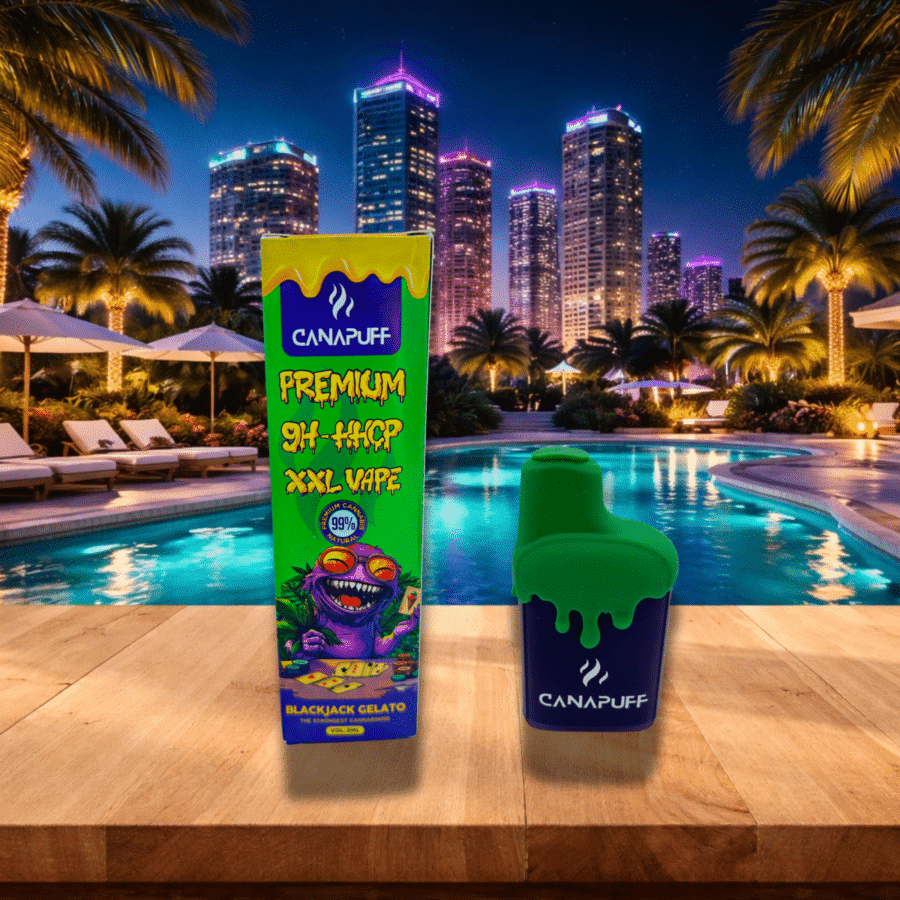 Vape 2ml 9H-HHCP Blackjack Gelato High Effect Canapuff FREE THCPower :Starting from €54.90 Add to cart
 -
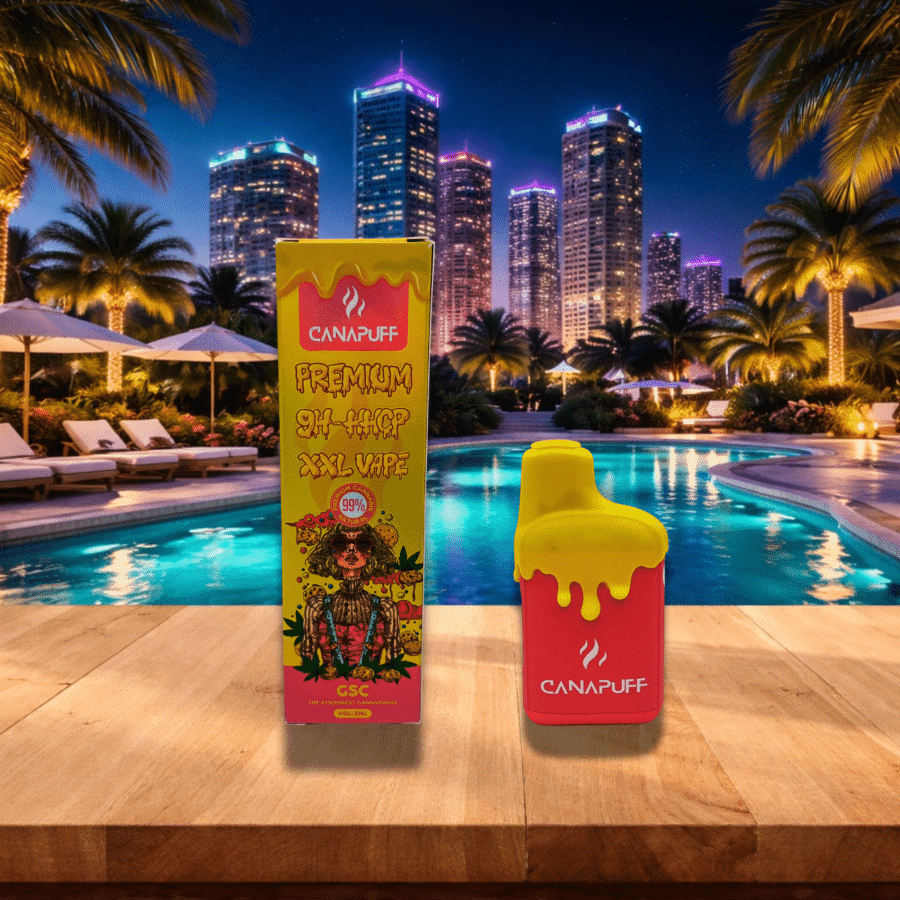 Vape 2ml 9H-HHCP Girl Scoot Cookies High Effect Canapuff FREE THCPower :Starting from €54.90 Add to cart
 -
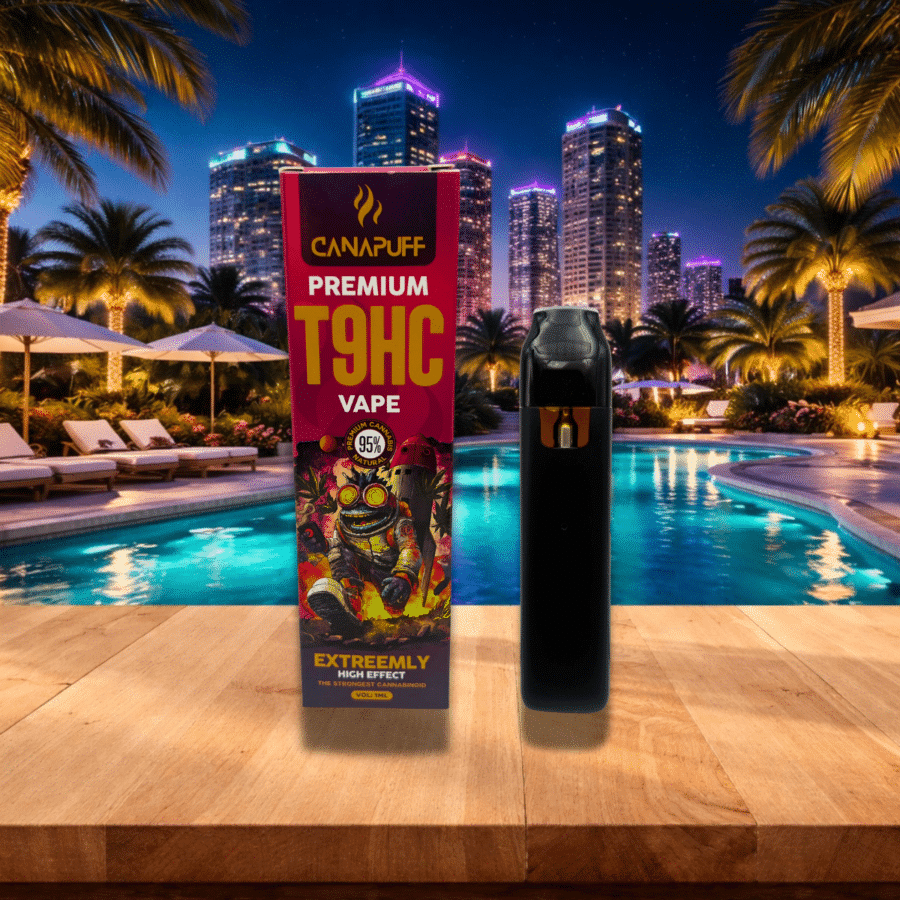
-
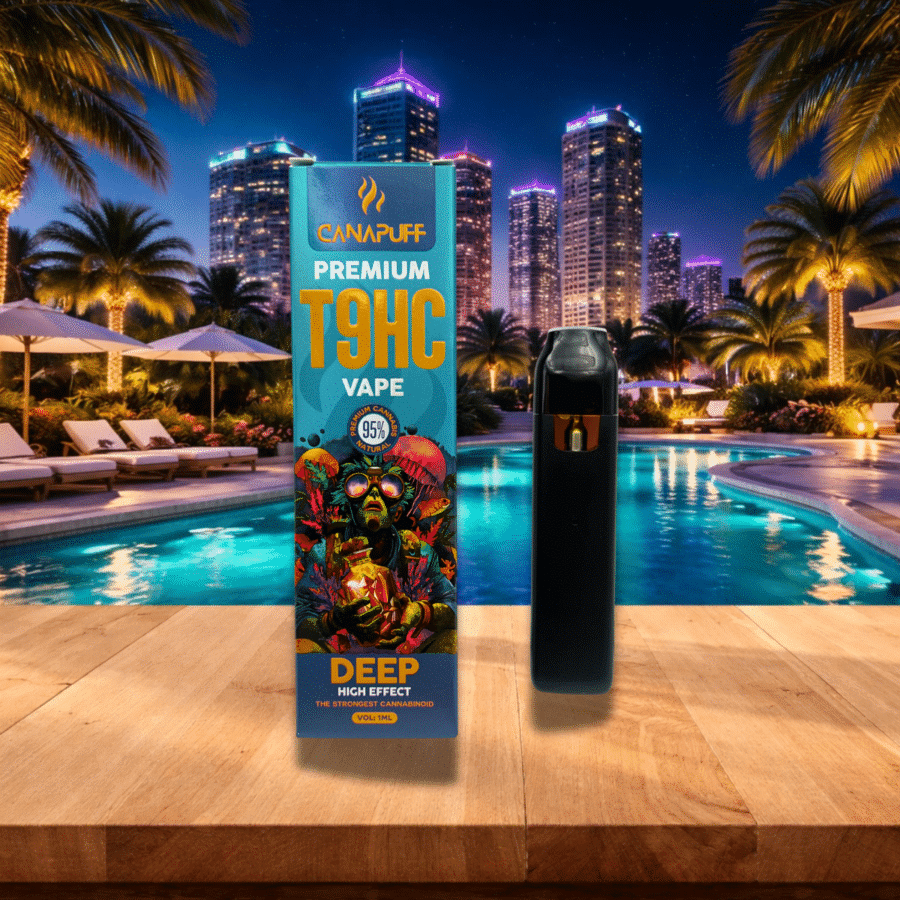
-
-
-
-
-
 ON SALE
 -
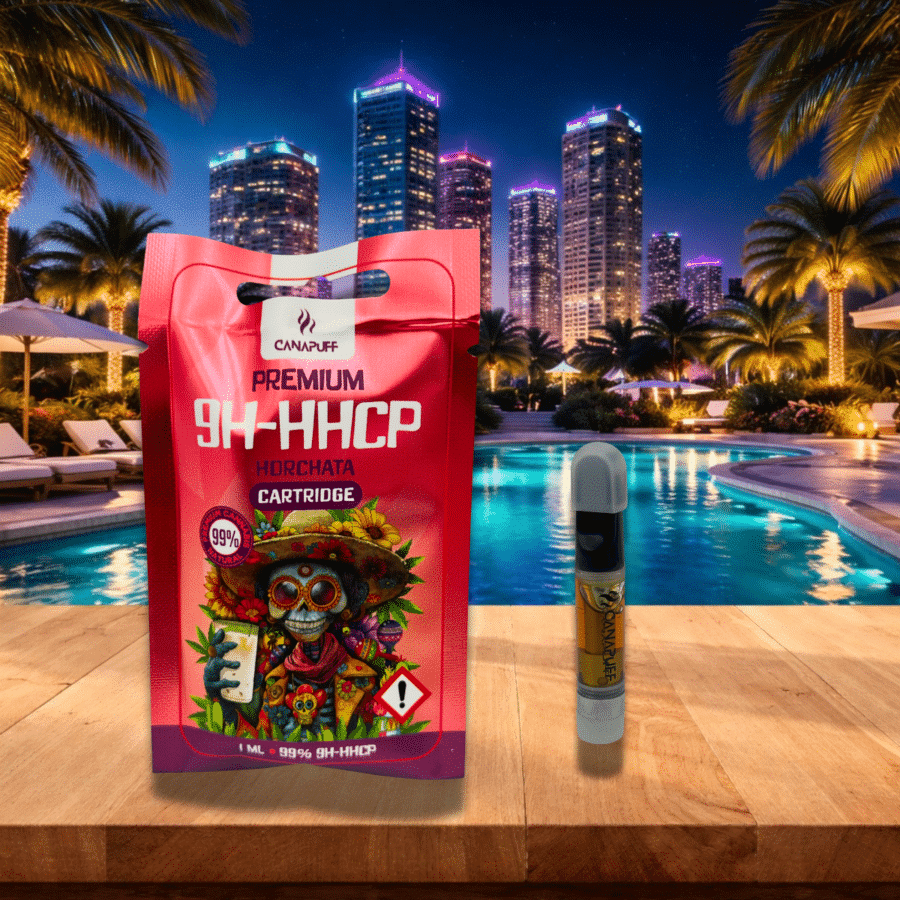
Exhausted
-
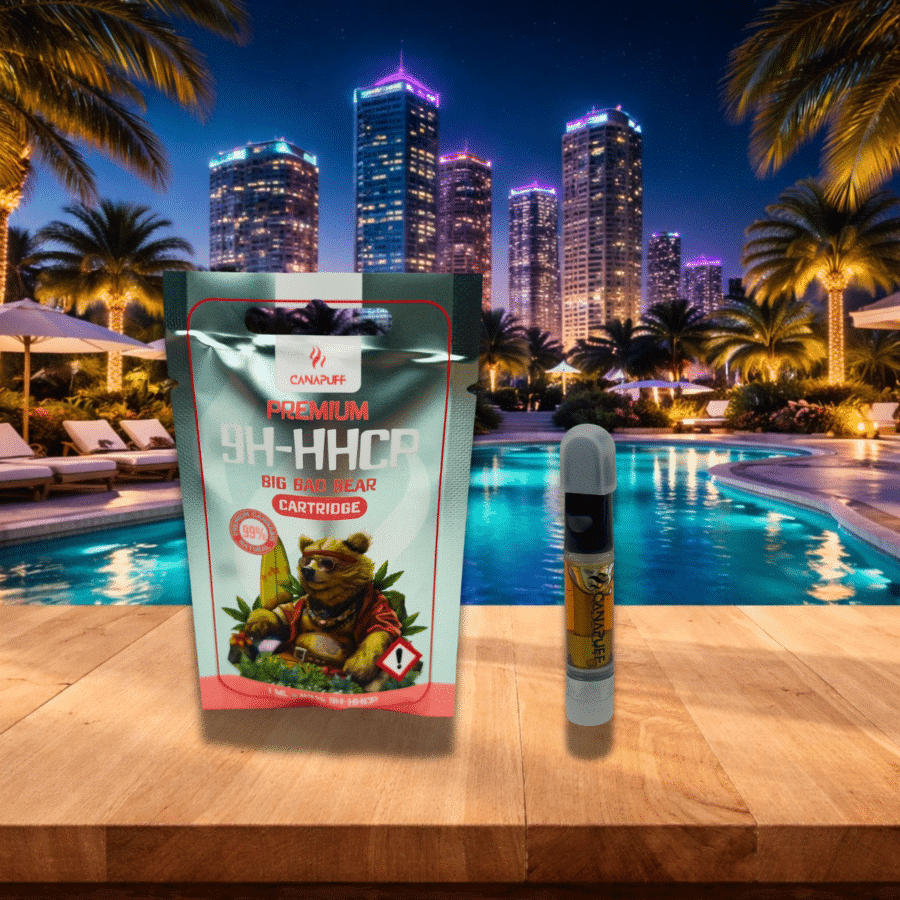
Exhausted
-
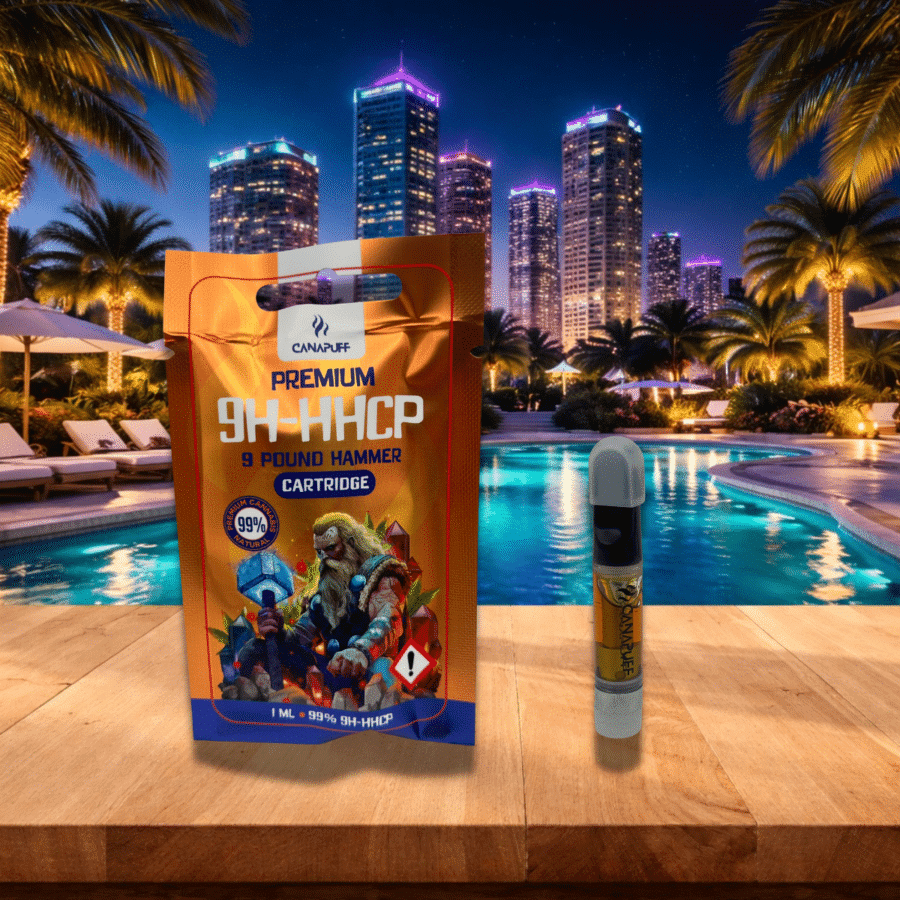
Exhausted
-
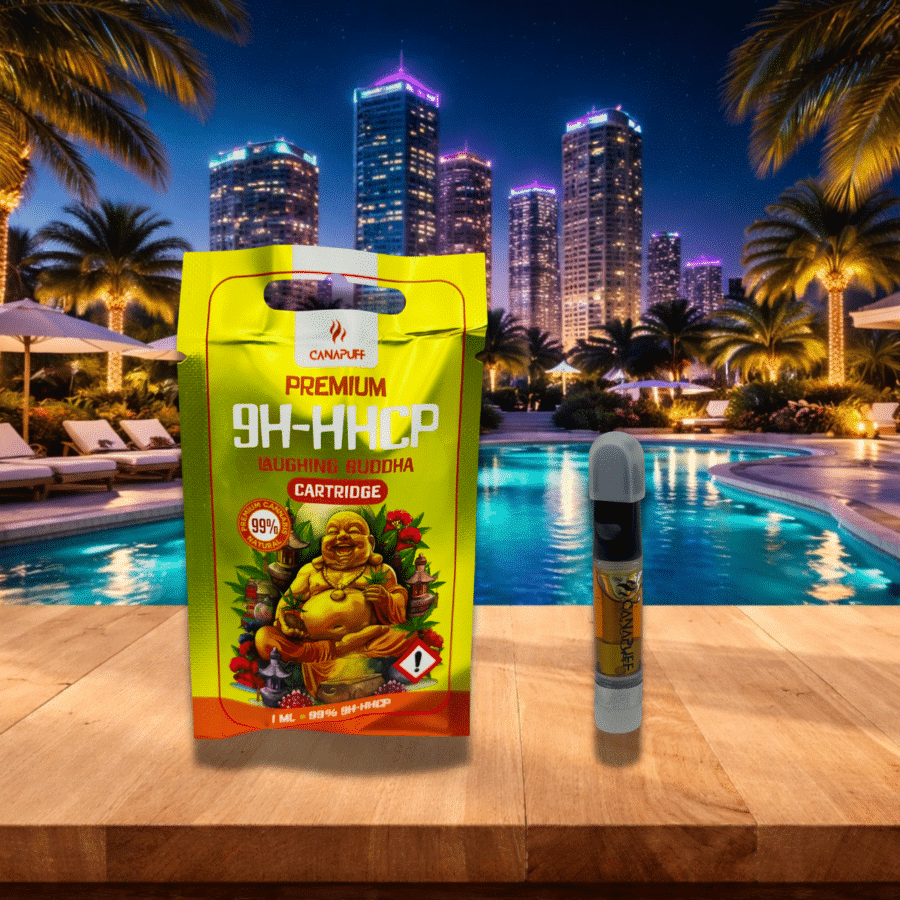
Exhausted
-
Exhausted
-
Exhausted
-
Exhausted
-
Exhausted
-
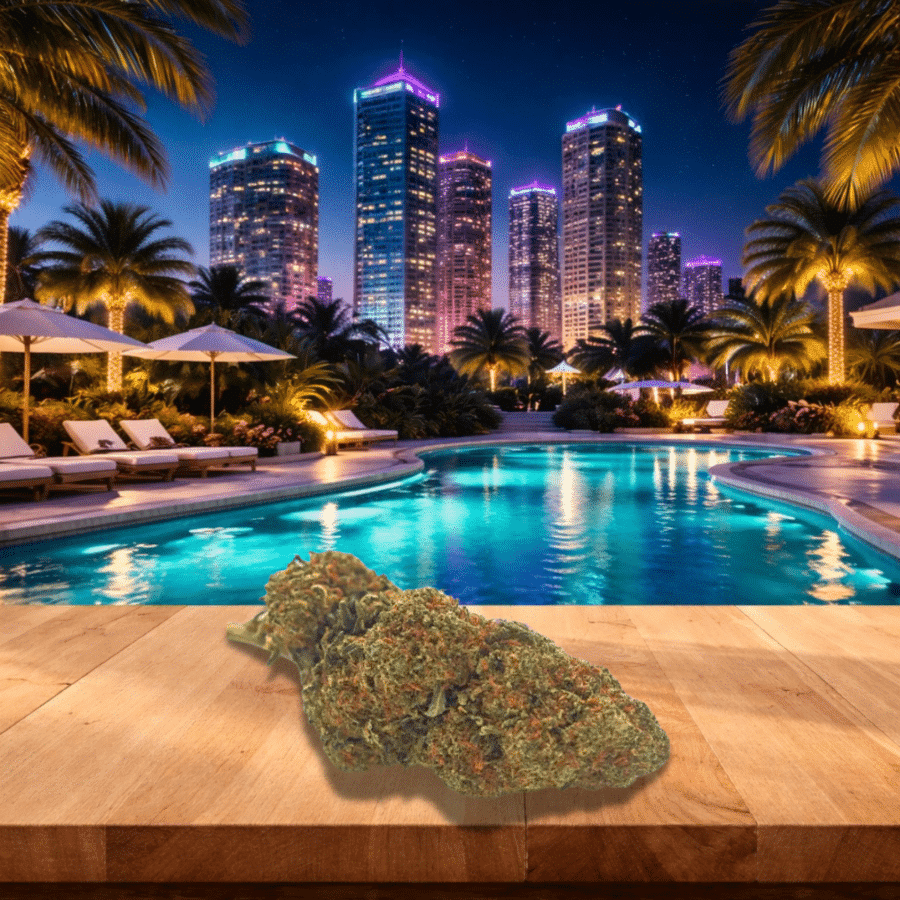
Exhausted
-
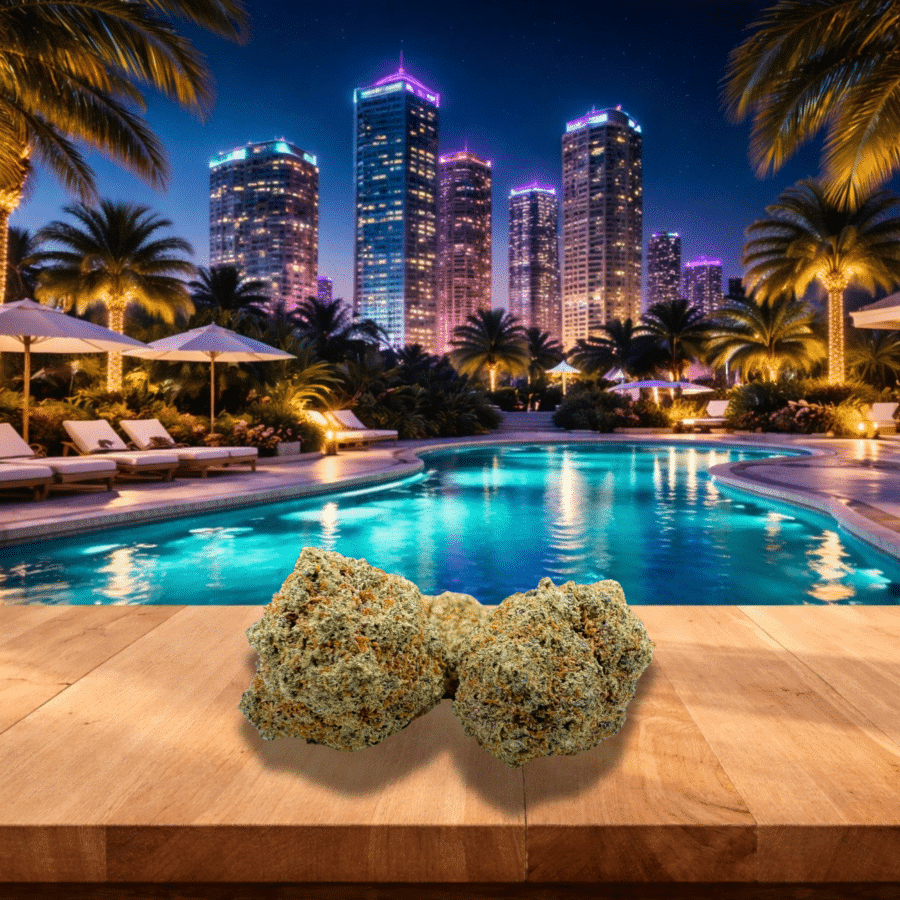
Exhausted
-
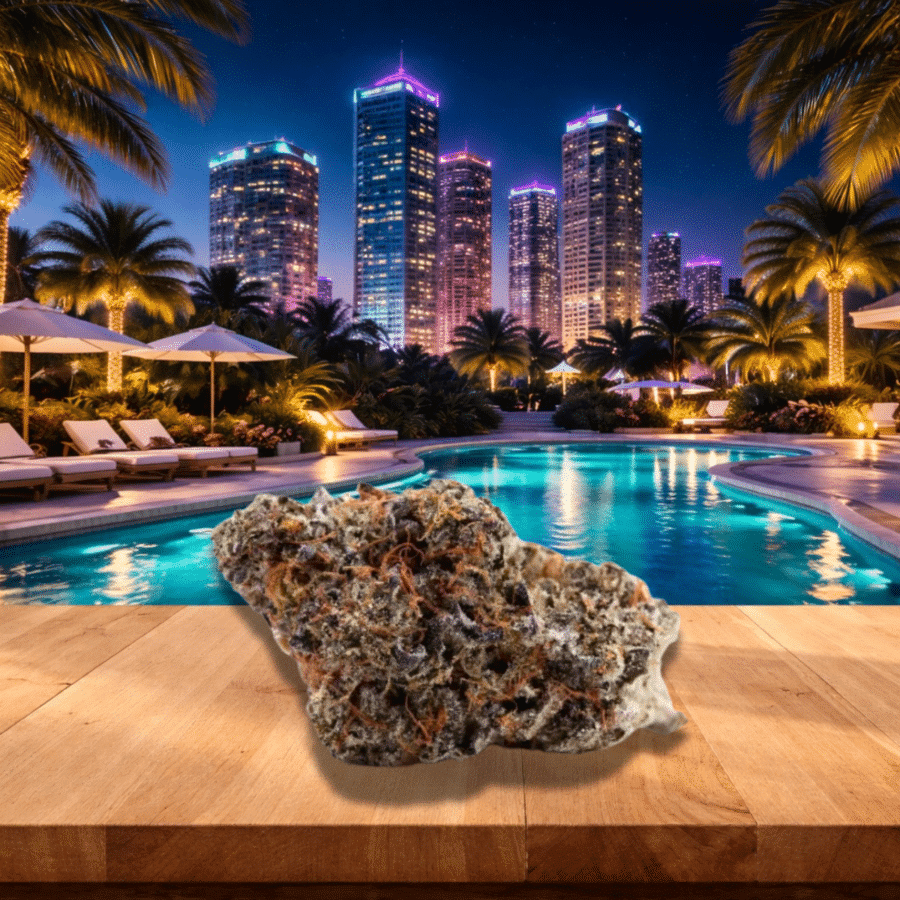
Exhausted
-
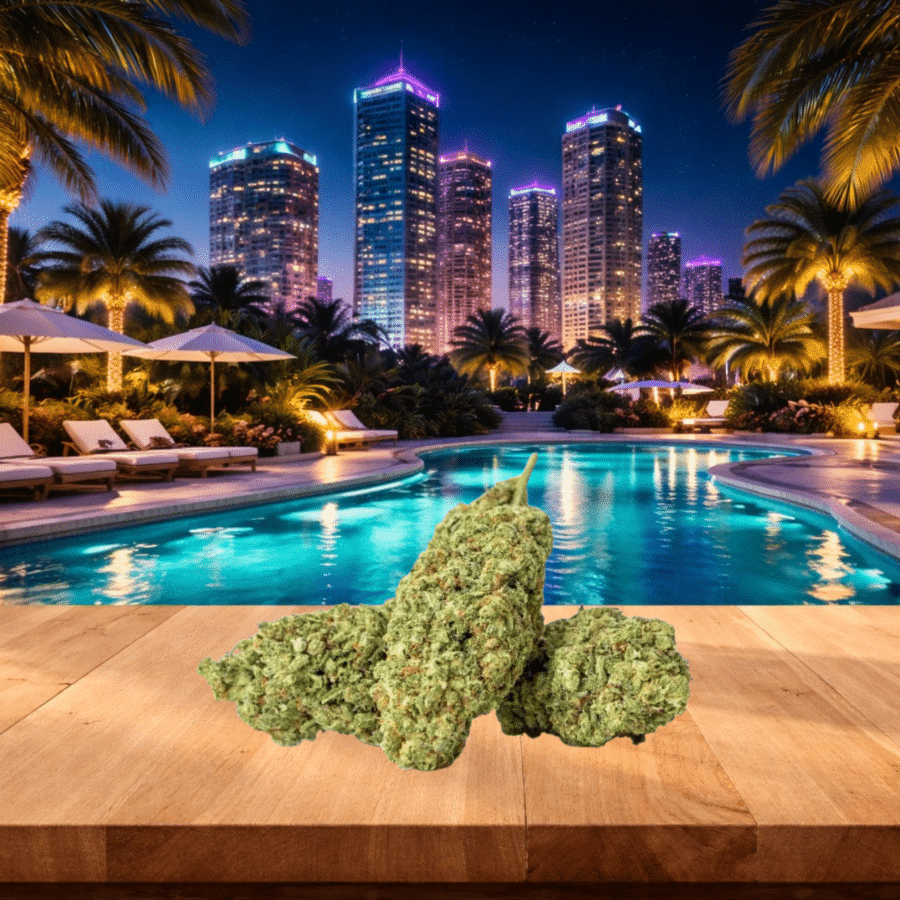
Exhausted
-

Exhausted
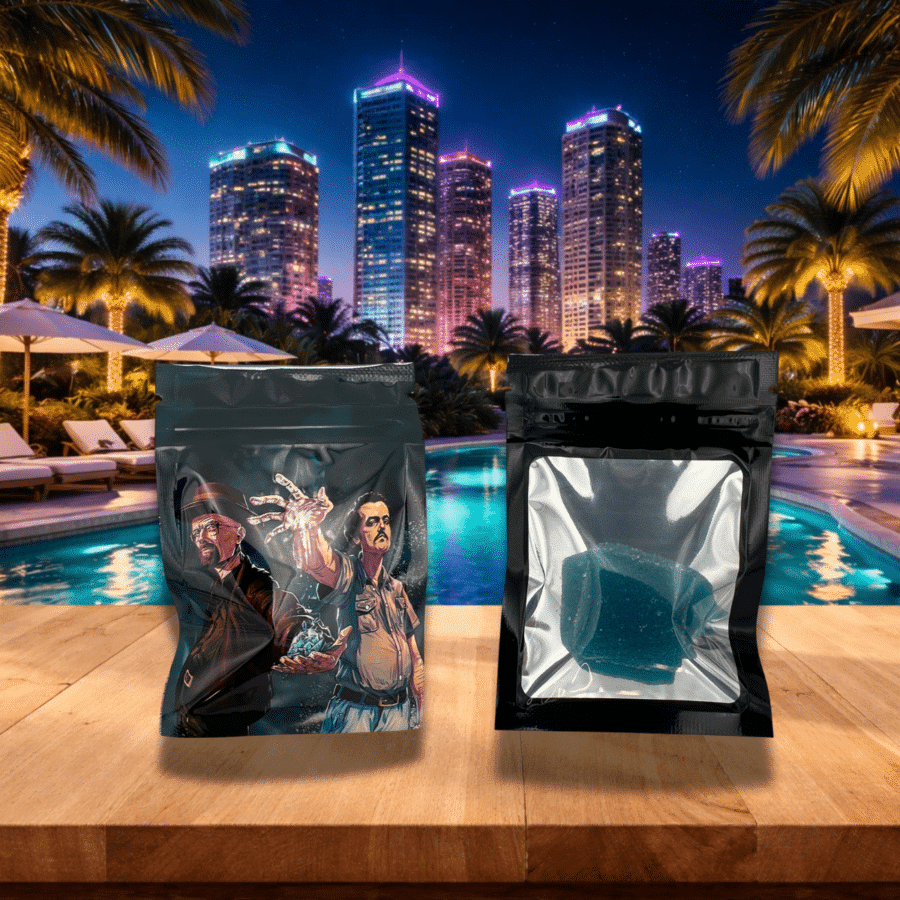
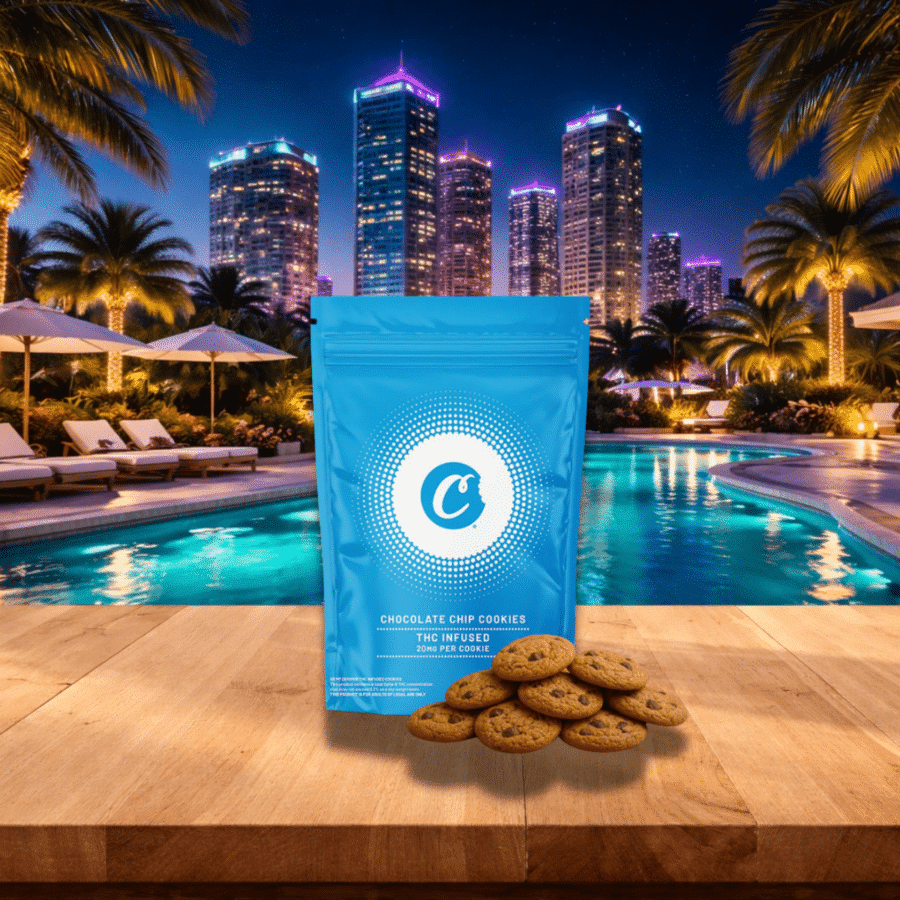
Chocolate Cones – Triple Scoop – Cookies – White Chocolate D9 30 mg Price range: €7.00 to €34.90 Quick Shop -
Exhausted
-
Exhausted
-

Exhausted
-
Exhausted


Understanding what cannabinoids are
Cannabinoids are chemical compounds naturally present in the cannabis plant. They are primarily produced in the trichomes, the tiny resinous glands visible on the surface of hemp flowers.
These molecules interact with a biological system present in the human body called the endocannabinoid system. This network of receptors plays an essential role in many physiological functions, including the body's internal balance, also known as homeostasis.
To date, more than 150 different cannabinoids have been identified in the cannabis plant. Among the best known are:
-
CBD (cannabidiol)
-
THC (tetrahydrocannabinol)
-
CBG (cannabigerol)
-
CBC (cannabichromene)
-
CBN (cannabinol)
However, recent scientific advances have made it possible to identify or produce new cannabinoids called emerging cannabinoids or neo-cannabinoids.
These molecules are now at the heart of a rapidly expanding market.
The evolution of the hemp and cannabinoids market
The legal cannabis market has undergone a dramatic transformation in recent years.
Originally, the majority of products available on the market were based solely on CBD, the best-known and most studied cannabinoid.
But innovation in the hemp industry quickly led to the exploration of other molecules present in the plant. Some of these molecules exist naturally in very small quantities in cannabis, while others can be obtained by transforming cannabinoids already present in hemp.
This development has given rise to a new category of products called potent cannabinoids.
These molecules offer different interaction profiles with the endocannabinoid system and allow for new experiences to be offered to consumers.
Today, the CBD market is no longer limited to cannabidiol alone. It now encompasses a wide variety of cannabinoids with unique properties.
Why do we talk about powerful cannabinoids?
The term potent cannabinoids is generally used to refer to molecules that exhibit a more pronounced interaction with the receptors of the endocannabinoid system.
In some cases, these cannabinoids have a higher affinity for biological receptors, which can alter the intensity of the effects felt.
It is important to note that the potency of a cannabinoid depends not only on its concentration, but also on its molecular structure and its ability to interact with CB1 and CB2 receptors.
Some cannabinoids have a structure very similar to THC, while others have completely different properties.
This diversity explains why the cannabinoid market is constantly evolving, with the regular appearance of new molecules.
The main powerful cannabinoids available today
THV-N10
THV -N10 is among the newest cannabinoids to appear on the hemp market. This molecule is attracting attention due to its unique profile and its interaction with the endocannabinoid system.
Products enriched with THV-N10 are now available in several formats, including flowers, resins, vape cartridges and concentrates.
STV-10
STV -10 is another emerging cannabinoid that is generating increasing interest in the legal cannabis industry.
It is distinguished by a specific molecular structure and a particular interaction with cannabinoid receptors.
Products containing STV-10 are often offered in the form of enriched flowers, resins, or vaporizer cartridges.
HHX
HHX is also among the new generation cannabinoids appearing on the European market.
It is often used in products aimed at enthusiasts of innovative cannabinoids who wish to discover new molecules derived from hemp.
THCA
THCA naturallypresent in the cannabis plant before its transformation by heat.
Unlike THC, THCA is not psychoactive in its raw form. It is often present in freshly harvested hemp flowers.
10-OH-HHC
10 -OH-HHC is a molecule derived from HHC that has recently attracted attention in the European market.
It is one of the cannabinoids studied for their specific properties and their interaction with the endocannabinoid system.
The role of the endocannabinoid system
The endocannabinoid system is a biological network present in the human body. It plays an essential role in regulating many physiological processes.
This system is primarily composed of:
-
CB1 and CB2 cannabinoid receptors
-
endocannabinoids produced by the body
-
enzymes responsible for the synthesis and degradation of these molecules
The cannabinoids present in the cannabis plant can interact with this system by binding to these receptors.
CB1 receptors are primarily found in the central nervous system, while CB2 receptors are found mainly in the immune system and peripheral tissues.
The diversity of cannabinoids explains why each molecule can interact differently with this system.
The entourage effect
One of the most studied concepts in the field of cannabis is theentourage effect.
This phenomenon describes the synergistic interaction between the different compounds present in the hemp plant.
Cannabinoids, terpenes, and flavonoids can work together to create a more complete experience than that produced by an isolated molecule.
This is why many products based on potent cannabinoids are associated with rich terpene profiles, in order to reproduce the natural complexity of hemp.
Product formats containing potent cannabinoids
Powerful cannabinoids are now available in several forms to meet the different preferences of consumers.
Enriched flowers
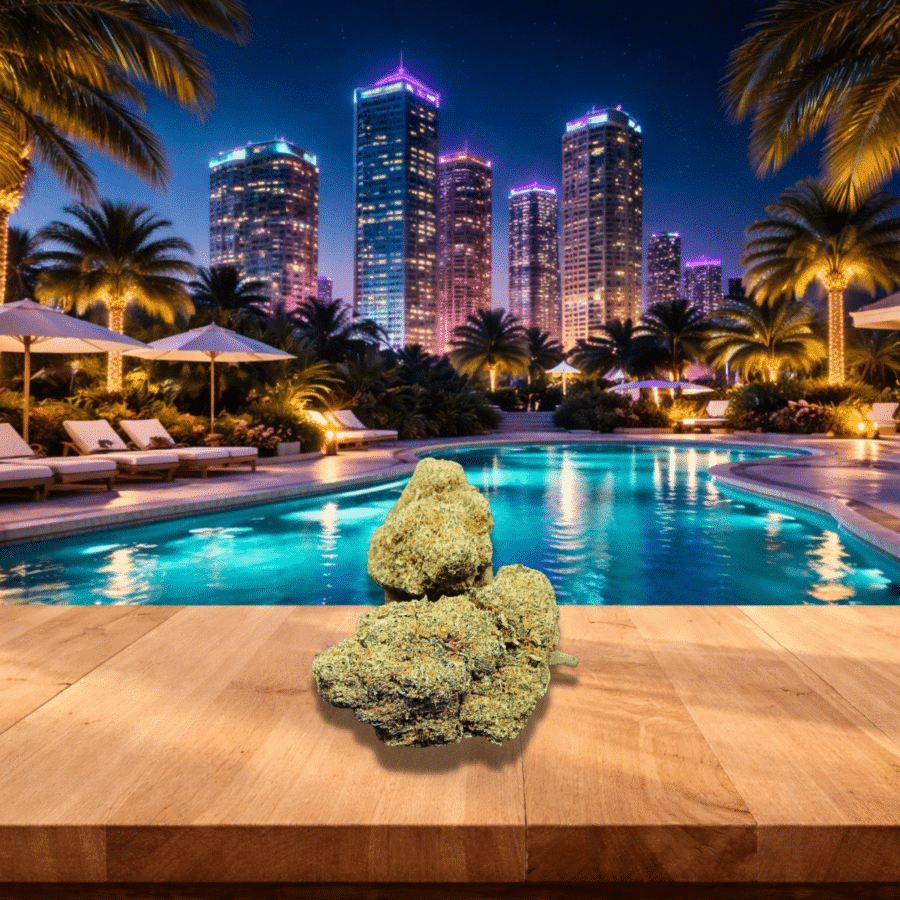
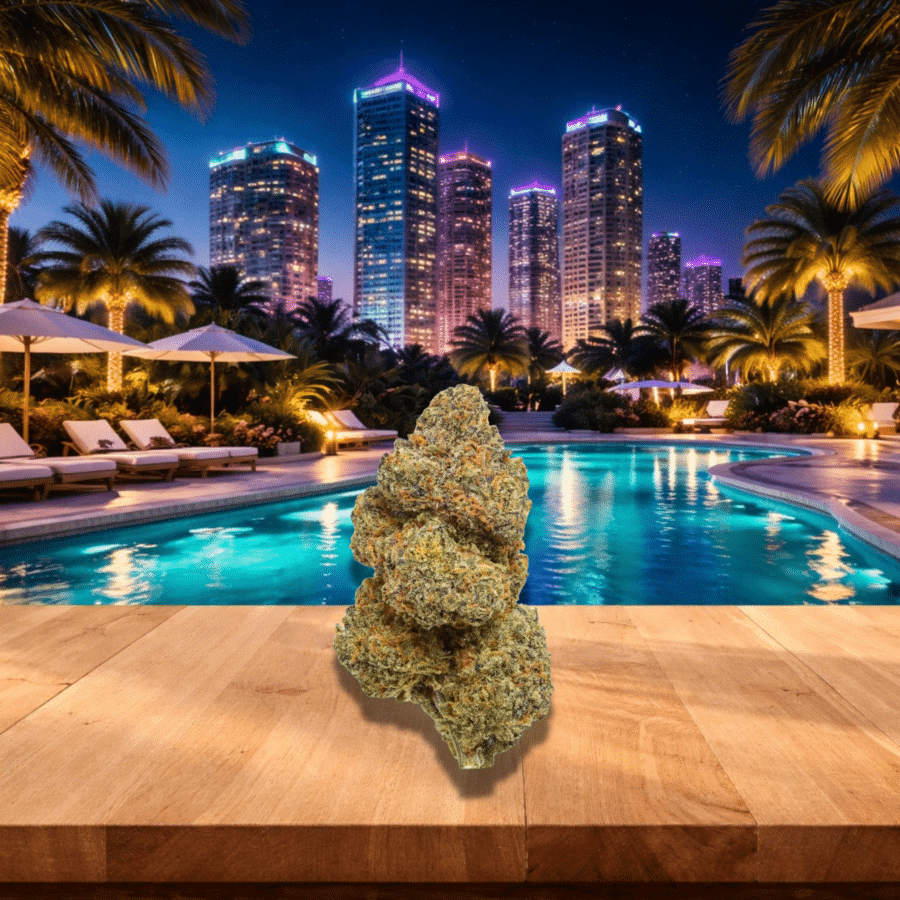
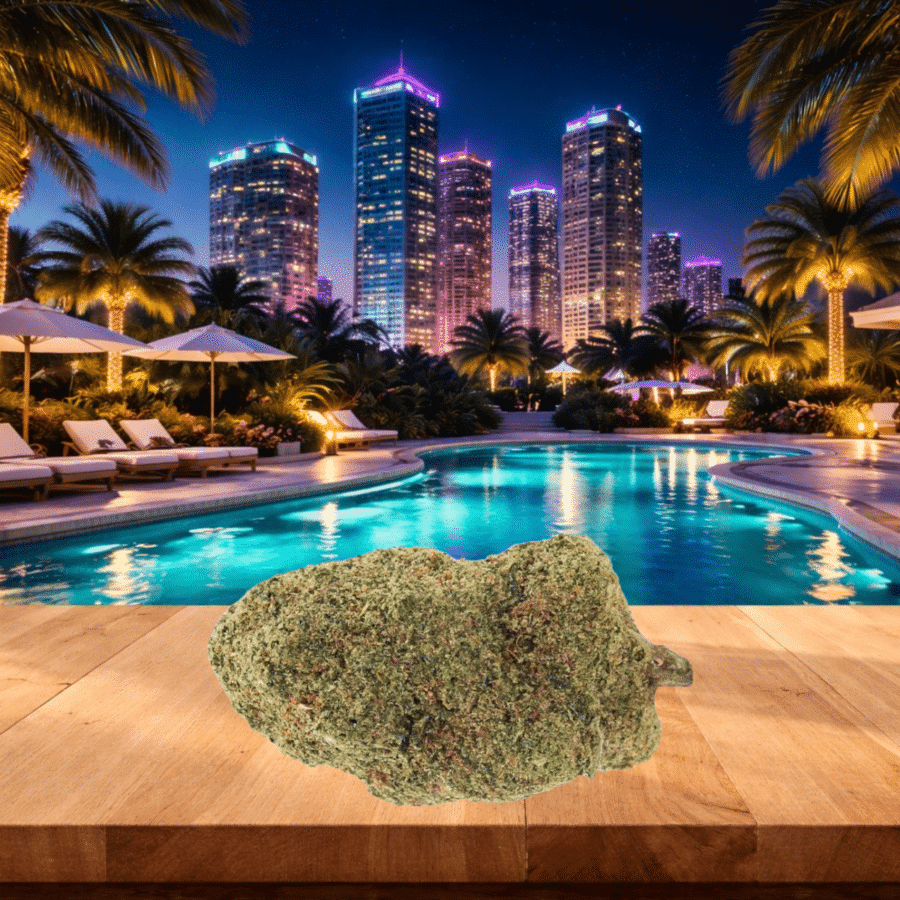
Some hemp flowers can be enriched with specific cannabinoids to increase their concentration.
Resins
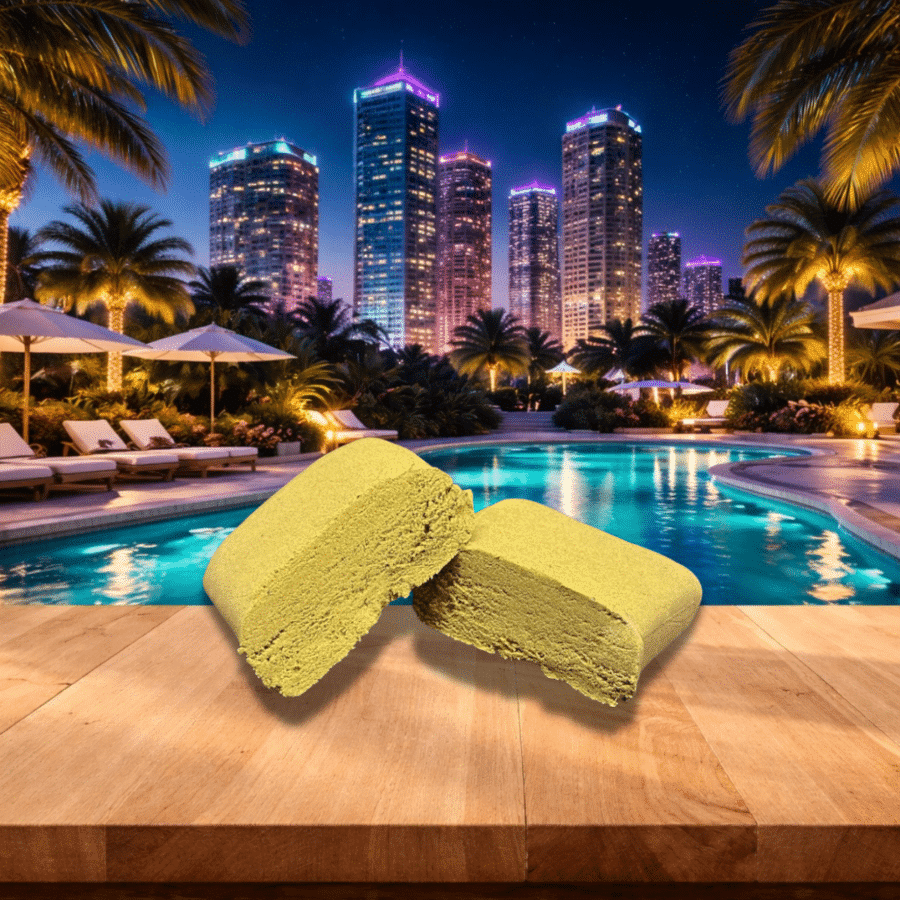
Enriched resins allow for a higher concentration of cannabinoids through the recovery of trichomes from the plant.
Vape cartridges
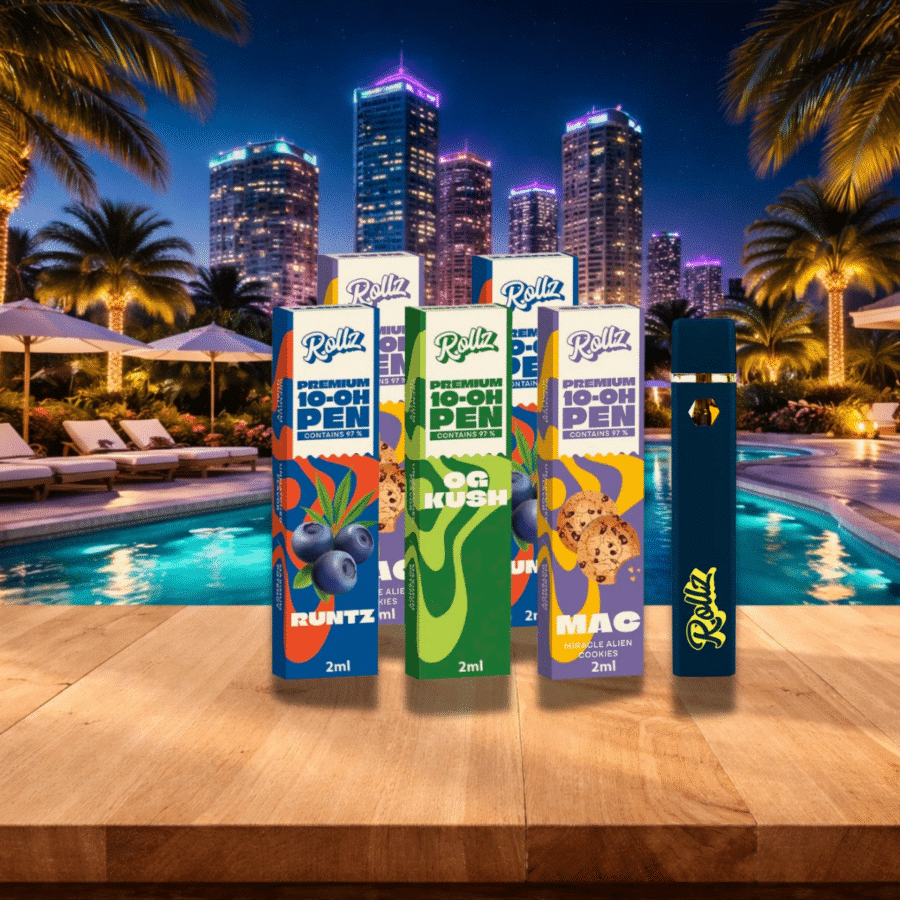
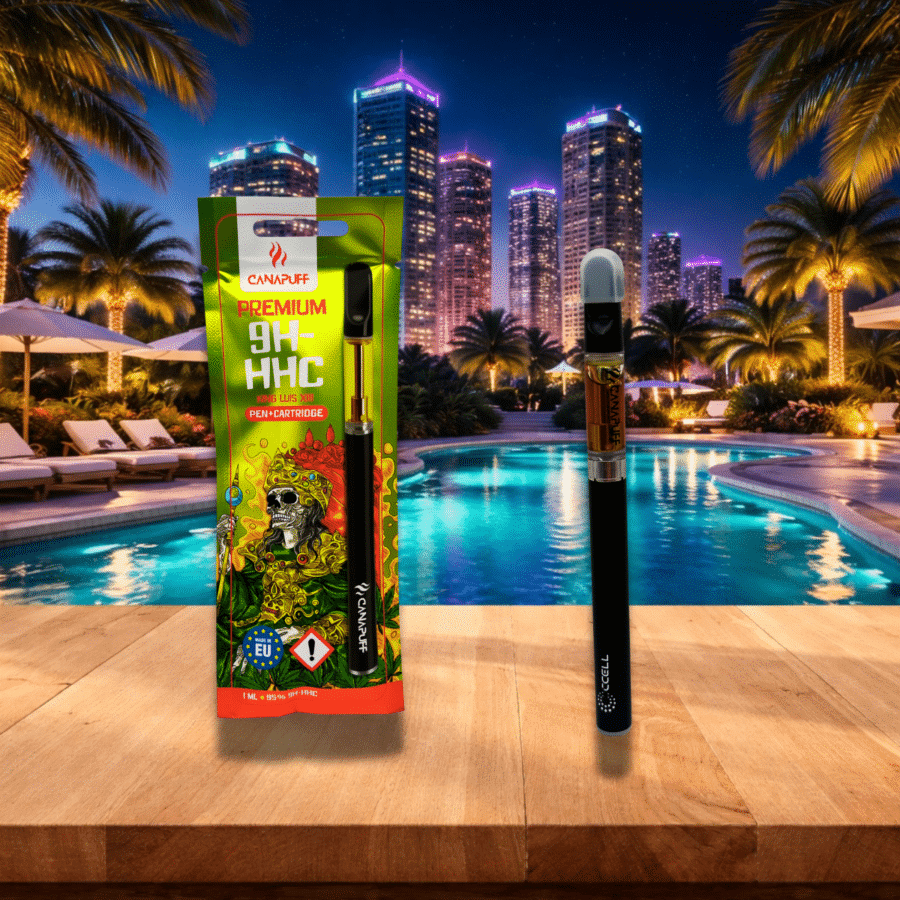
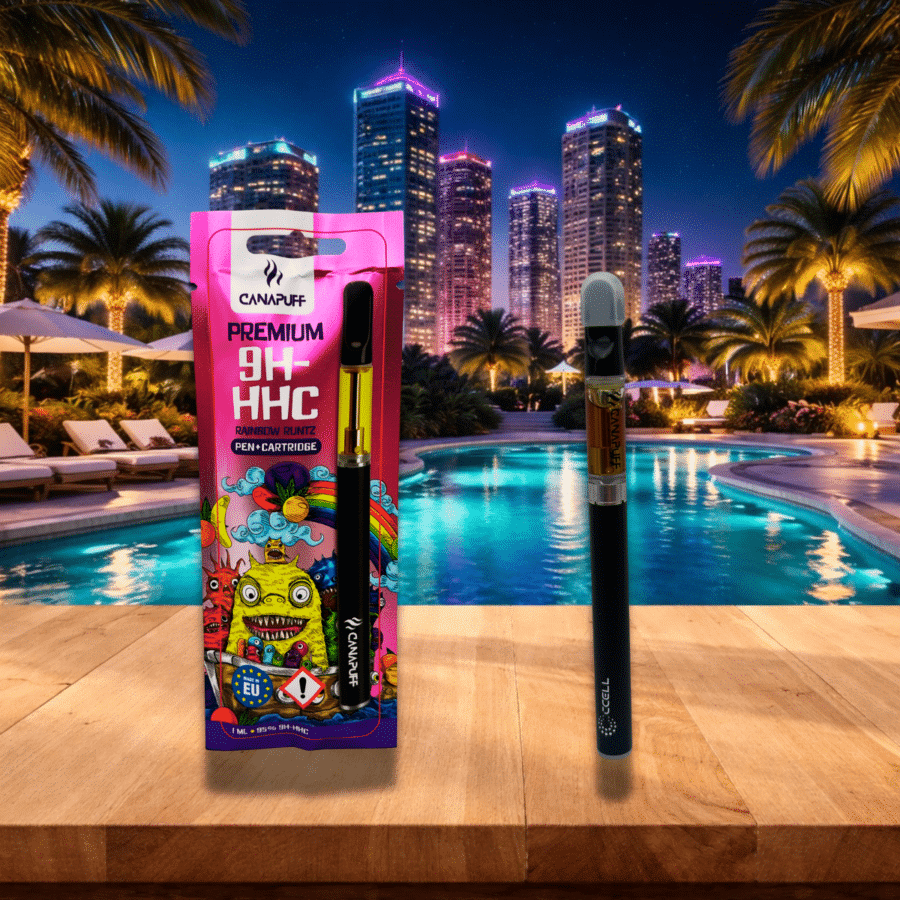
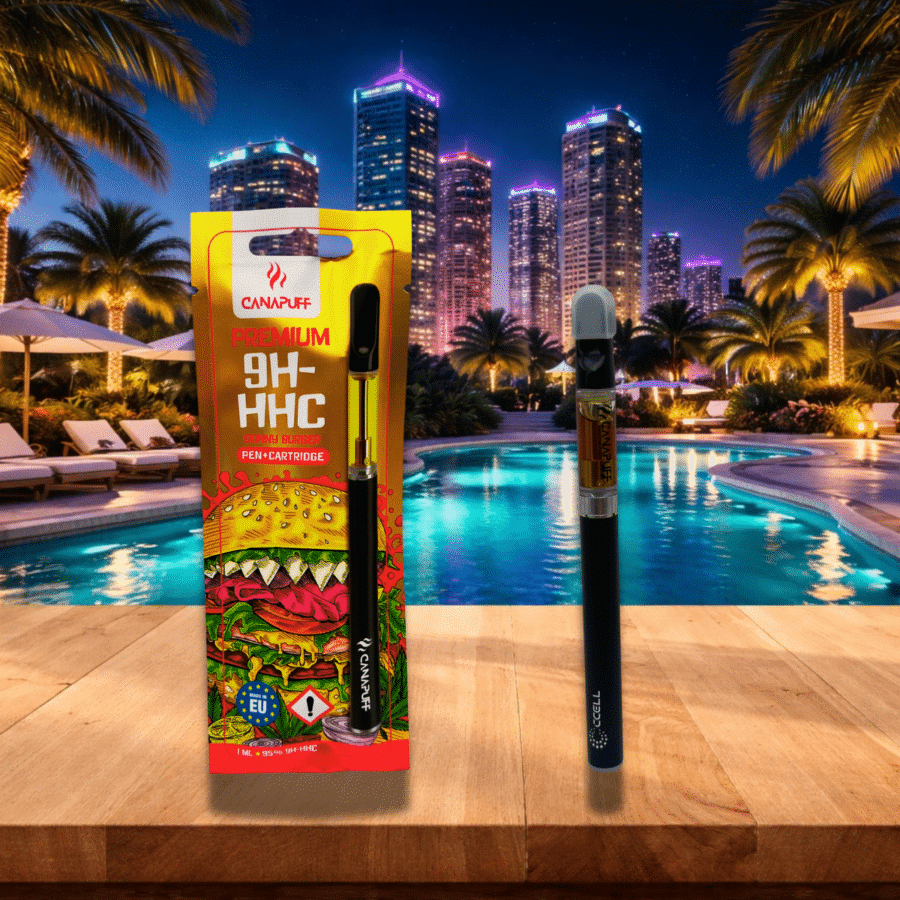
Vaporizer cartridges typically contain cannabinoid distillates mixed with terpenes.
Puffs
Disposable puffs are ready-to-use vaporization devices containing cannabinoid distillates.
Cannabinoid legislation in Europe
European legislation concerning cannabinoids is based primarily on the regulation of hemp.
To be legal, a cannabis-based product must generally meet several criteria:
-
derived from authorized hemp varieties
-
contain less than 0.3% THC
-
comply with production and marketing standards
However, regulations can change rapidly depending on decisions made by national and European authorities.
This is why CBD market players closely monitor legislative developments in order to offer products that comply with current regulations.
Why buy potent cannabinoids on Vibe City?
Vibe City selects the most innovative cannabinoids from the hemp market to offer a unique experience to CBD enthusiasts.
Our catalogue brings together a selection of products reflecting the latest advances in the sector.
Each product offered in this category is chosen for:
-
its manufacturing quality
-
its richness in cannabinoids
-
its aromatic profile
-
its compliance with European regulations
Thanks to this selection, Vibe City allows you to discover the most sought-after cannabinoids of the moment, while benefiting from a wide choice of formats and genetics.
FAQ – Powerful Cannabinoids
What is a potent cannabinoid?
A potent cannabinoid is a molecule that has a stronger interaction with the endocannabinoid system or a higher concentration in a product.
Are powerful cannabinoids legal?
Legality depends primarily on hemp regulations and the THC content. Products must generally contain less than 0.3% THC.
What is the difference between CBD and powerful cannabinoids?
CBD is a natural cannabinoid widely found in hemp, while potent cannabinoids often correspond to rarer or newer molecules.
Are powerful cannabinoids natural?
Some exist naturally in the cannabis plant in very small quantities, while others can be obtained by processing cannabinoids present in hemp.
Which products contain potent cannabinoids?
These molecules can be found in various formats, including enriched flowers, resins, vape cartridges, and puffs.
