
-
-
-
Exhausted
-
Exhausted


What is a D10 resin?
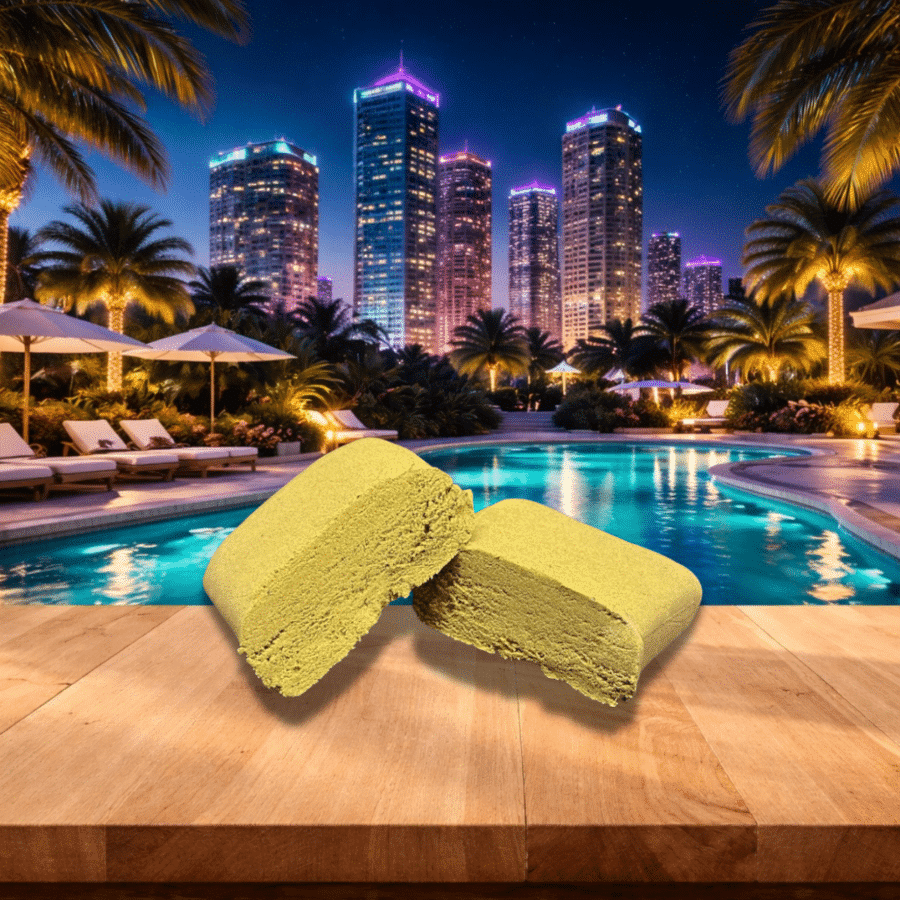
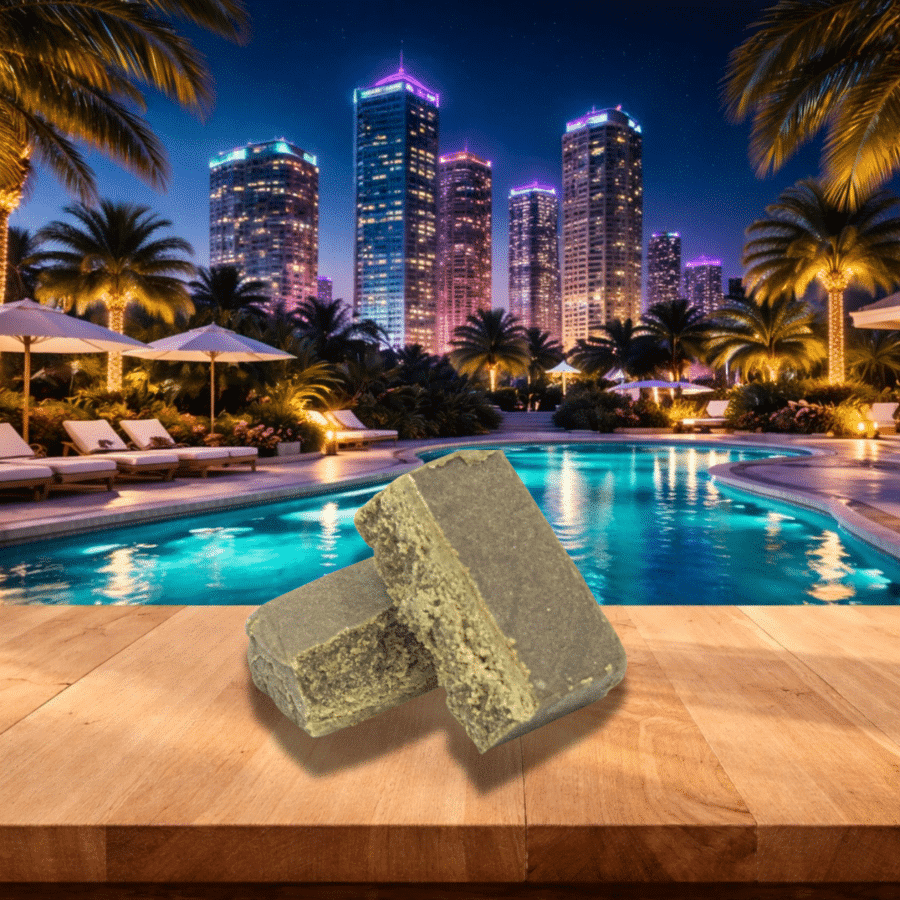
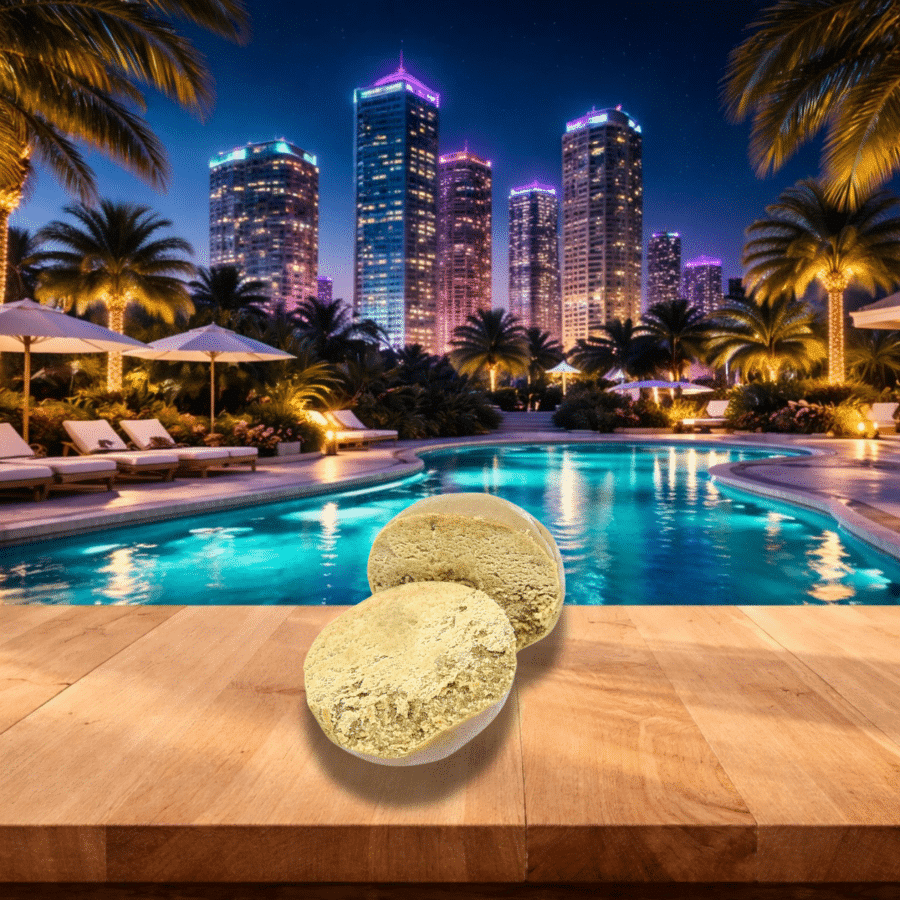
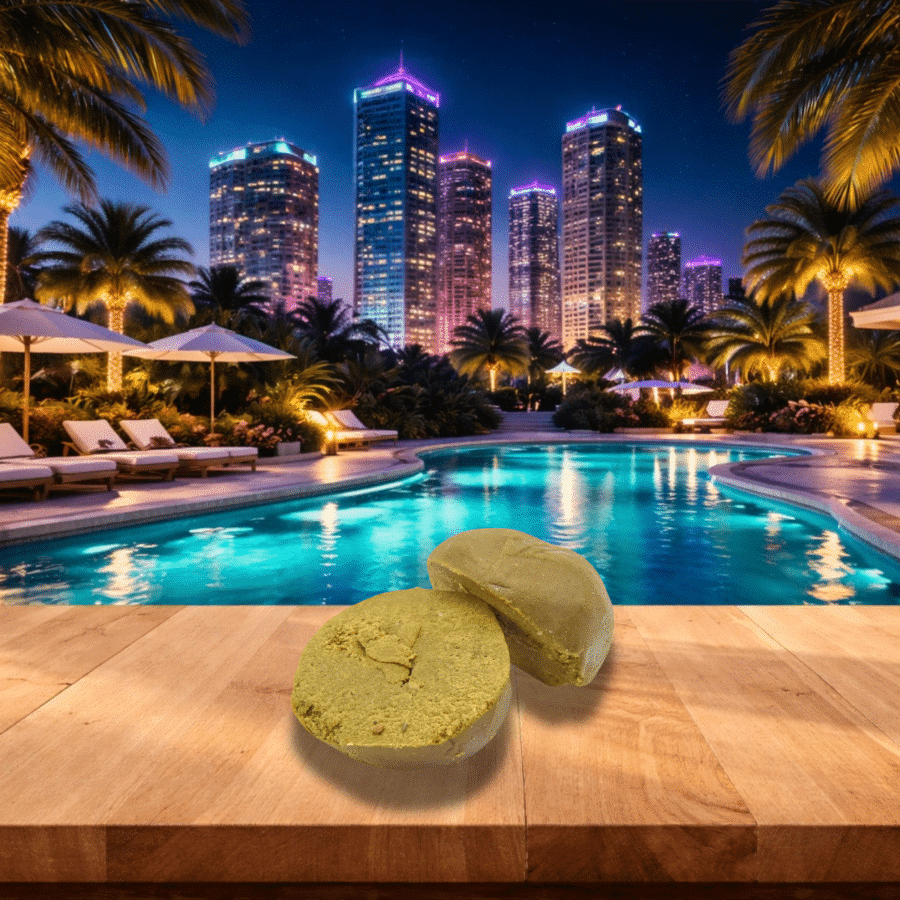
D10 resins are hemp concentrates obtained from the trichomes of the cannabis plant and then enriched with a distillate containing the cannabinoid STV-10 .
Trichomes are tiny resinous glands found on hemp flowers. They are responsible for producing the majority of the plant's cannabinoids and terpenes.
When harvested and then compressed, these trichomes form a substance called hemp resin, also known as hash.
In the case of D10 resins, this natural base is then enriched with an extract containing STV-10 to obtain a product combining:
-
the texture of traditional hash
-
the aromatic richness of terpenes
-
an innovative cannabinoid from hemp
This combination makes it possible to create a modern resin that retains the characteristics of classic hash while incorporating the advances of the cannabinoid industry.
The origin of the cannabinoid STV-10
STV -10, sometimes called D10 in the cannabinoid industry, belongs to the family of cannabinoids derived from hemp.
The cannabis plant naturally produces more than 150 different cannabinoids, but the majority of them are present only in very small quantities.
Among the best-known cannabinoids are:
-
CBD
-
THC
-
the CBG
-
the CBC
-
the CBN
Emerging cannabinoids like STV-10 are generally obtained through transformation or purification processes carried out from cannabinoids present in hemp.
This approach makes it possible to produce new molecules while using legal hemp varieties containing less than 0.3% THC.
The emergence of these molecules marks a significant development in the legal cannabis industry.
The history of cannabis resins
Cannabis resin has a very long history.
In different regions of the world, cannabis growers have developed methods to recover the resin produced by the plant.
These techniques gave rise to different types of traditional hash.
Among the most famous are:
-
Moroccan hash
-
Afghan hash
-
Lebanese hash
-
Indian charas
These resins were obtained by collecting the trichomes from cannabis flowers and then pressing them to form compact blocks.
Today, these traditional methods still inspire the production of modern hemp resins.
Cannabinoid-enriched resins such as D10 resins represent an evolution of these historical techniques.
D10 resin manufacturing methods
The production of cannabinoid-enriched resins involves several steps.
Trichome extraction
The first step is to collect the trichomes present on the hemp flowers.
Several methods can be used:
-
dry sieving
-
ice water extraction
-
mechanical filtration
These techniques allow the recovery of a powder rich in cannabinoids called kief or pollen.
Resin compression
The resulting kief is then compressed to form a compact resin.
Pressure and heat allow the trichomes to bind together to create the characteristic texture of hash.
STV-10 Enrichment
The resin can then be enriched with a distillate containing the cannabinoid STV-10.
This step makes it possible to obtain a resin combining the natural properties of hemp with a specific cannabinoid.
The different textures of D10 resins
Enriched resins can exhibit different textures depending on the manufacturing method.
Dry resin
Dried resins are brittle and easily crumble.
Semi-greasy resin
Some resins have a softer and slightly sticky texture.
Oily resin
Oily resins are rich in terpenes and have a malleable texture.
The texture of a resin depends in particular on the quantity of trichomes and the compression method.
Terpenes in D10 resins
Terpenes are aromatic compounds naturally present in the cannabis plant.
They determine the aromas and flavors of the different varieties of hemp.
In D10 resins, the terpenes come primarily from the flower used to produce the resin.
Among the most common terpenes found in hemp-based products are:
-
myrcene
-
limonene
-
pinene
-
caryophyllene
-
linalool
These molecules can produce very diverse aromatic profiles.
Some resins develop fruity or sweet notes, while others have more earthy or spicy aromas.
The benefits of cannabinoid-enriched resins
Cannabinoid-enriched resins such as D10 resins offer several interesting characteristics.
Firstly, they have a high concentration of cannabinoids, as they are produced from the trichomes of the plant.
Next, they retain the natural terpenes of hemp, which are responsible for their aromas.
Finally, the addition of specific cannabinoids makes it possible to offer innovative products that are in line with the current evolution of the legal cannabis market.
How to recognize a quality D10 resin
Several criteria can be used to evaluate the quality of an enriched resin.
The texture
A quality resin has a homogeneous texture and is pleasant to handle.
The smell
A good resin gives off a fragrance rich in terpenes.
The color
Resins can exhibit different colours ranging from light beige to dark brown.
The composition
Products must comply with regulations regarding cannabinoids and THC content.
D10 resin legislation
Hemp-based products are regulated by European legislation.
To be legally marketed, they must generally meet several criteria:
-
derived from authorized hemp varieties
-
contain less than 0.3% THC
-
comply with national regulations
Emerging cannabinoids may be subject to regulatory changes.
Market players are therefore closely monitoring the decisions of the authorities.
Why buy D10 resins on Vibe City?
At Vibe City, we select high-quality cannabinoid-enriched resins to offer a modern legal hash experience.
Our catalogue includes different varieties inspired by traditional resins.
We offer, in particular:
-
terpene-rich resins
-
hash inspired by cannabis traditions
-
products compliant with European regulations
-
innovative references enriched with cannabinoids
Each product is chosen for:
-
the quality of the resin
-
aromatic richness
-
the selection of cannabinoids
-
legal compliance
Thanks to this selection, Vibe City allows you to discover the most sought-after D10 resins on the modern cannabinoid market.
FAQ – D10 Resins
What is a D10 resin?
A D10 resin is a hemp resin enriched with a cannabinoid called STV-10.
Are D10 resins natural?
The resin base is natural, but it is enriched with a distillate containing a specific cannabinoid.
Do D10 resins contain THC?
The products must comply with the legal THC limit of less than 0.3%.
What is the difference between CBD resin and D10 resin?
CBD resin primarily contains cannabidiol, while D10 resin is enriched with a specific cannabinoid.
Where can I buy D10 resins?
Many consumers choose to buy their cannabinoid products online in order to benefit from a wider selection.


