
-
 ON SALE
 -
 ON SALE


What is CBD resin?
CBD resin, often called CBD hash, is a concentrate derived from the trichomes of the hemp plant. Trichomes are tiny resinous glands found on the surface of cannabis flowers. They produce the cannabinoids, terpenes, and flavonoids responsible for the plant's aromatic and chemical properties.
When these trichomes are harvested and then compressed, they form a compact substance called resin. This substance naturally concentrates a large amount of cannabinoids, including cannabidiol.
Unlike traditional hashish made from THC-rich varieties, CBD resins come from industrial hemp, grown from varieties authorized in Europe and containing less than 0.3% THC. This means they do not produce a psychoactive effect while retaining the aromatic richness of cannabis.
CBD resin is currently one of the most popular hemp products on the market. Its texture, strong flavor, and cannabinoid concentration make it a highly valued alternative to CBD flowers.
The history of hash: a thousand-year-old tradition
Cannabis resin has a particularly long history. Traces of hashish date back several centuries in different regions of the world, notably in the Middle East, India and North Africa.
In these regions, cannabis growers developed artisanal techniques to harvest the resin produced by the plant. This precious material was then pressed to create compact blocks that were easy to transport and store.
Hashish became particularly famous in Morocco, Afghanistan, and Lebanon, where specific cannabis varieties were cultivated to produce high-quality resins.
Today, this tradition has evolved with the rise of the CBD market. Producers now use legal hemp varieties rich in cannabidiol to create resins inspired by historical hashish, while respecting European regulations.
This development allows consumers to rediscover the aromatic experience of traditional hash, without the psychotropic effects associated with THC.
How is CBD resin made?
The production of CBD resin relies on extracting the trichomes found on hemp flowers. Several methods can be used to separate these resinous glands from the plant material.
Dry sieving
Dry sifting is one of the oldest and most natural methods. Hemp flowers are rubbed or shaken on very fine screens to detach the trichomes.
The resulting powder is called kief or pollen. It can then be compressed to form a compact resin.
This technique helps to preserve the plant's natural terpenes and cannabinoids.
Ice water extraction
Some modern resins are obtained through a process called ice-o-lator or ice water extraction. Hemp flowers are immersed in very cold water and then filtered through various sieves.
The trichomes, being heavier than water, detach and are collected in the filters.
This method makes it possible to obtain a very pure resin that is particularly rich in terpenes.
Pollen compression
Once the trichomes are collected, they are compressed to form a solid resin. The pressure and heat cause the resin glands to bond together, creating the characteristic texture of hash.
Depending on the method used, the resin can be:
-
dry and crumbly
-
greasy and sticky
-
flexible and malleable
Each texture offers a different experience.
The different textures of CBD resins
One of the most fascinating aspects of CBD resins lies in the diversity of their textures. Each manufacturing method produces a hash with unique characteristics.
CBD pollen
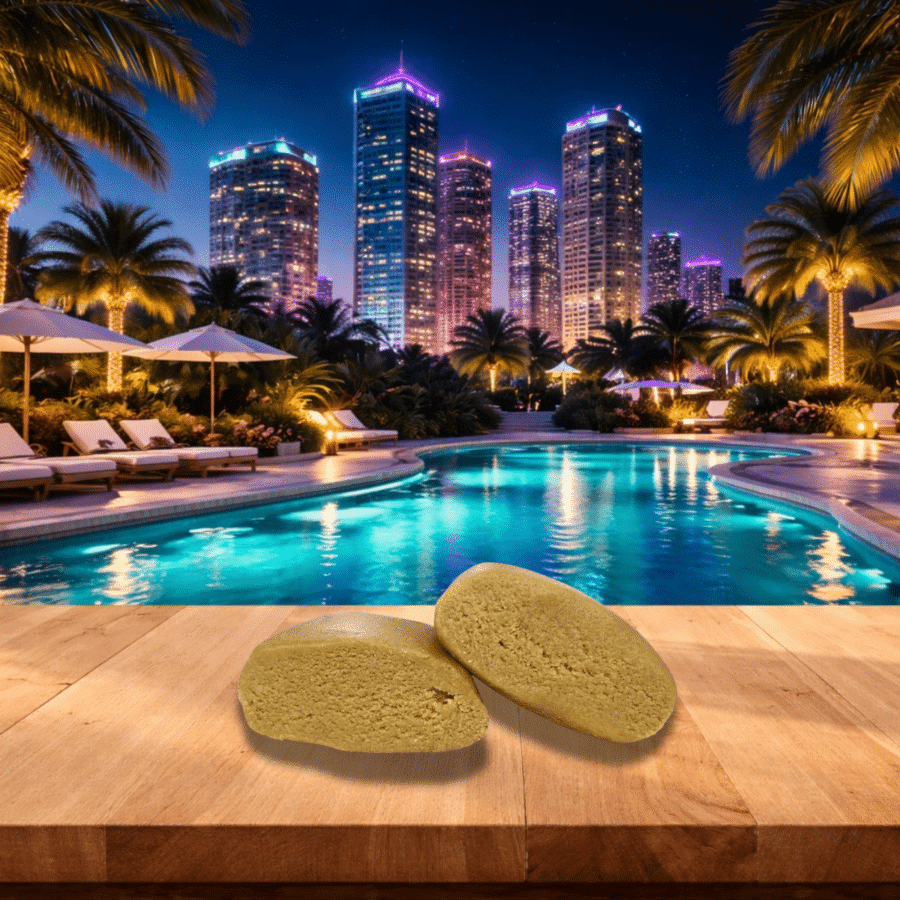
CBD pollen is a dry resin composed of slightly compressed trichomes. Its texture is generally brittle and easy to crumble.
This type of resin is often appreciated for its lightness and natural aromatic profile.
Classic CBD resin
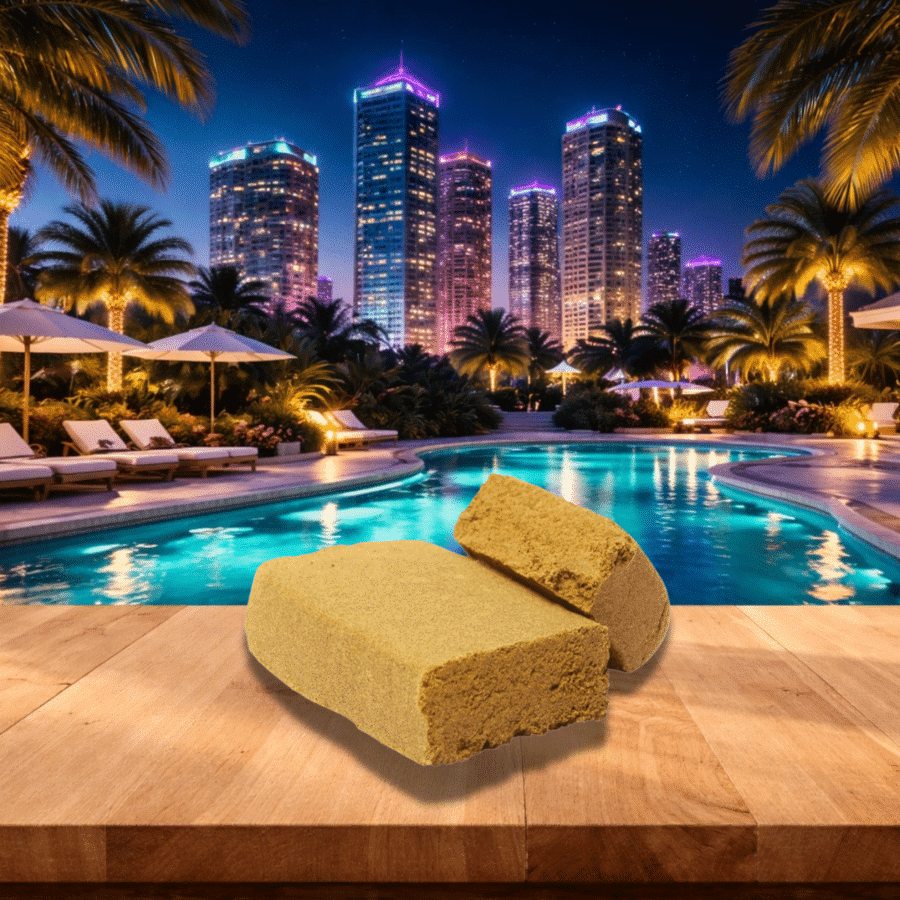
Classic resins have a more compact and slightly oily texture. They are obtained by a stronger compression of the pollen.
This type of hash often develops deep and spicy aromas.
Oily resins
Some modern resins are particularly rich in terpenes and have a very soft, almost creamy texture. They are often called premium hash.
These resins offer a remarkable aromatic intensity.
The filtered resins
The filtered resins come from more precise extraction processes that allow only the purest trichomes to be recovered.
The result is a resin extremely rich in cannabinoids and terpenes.
The terpenes present in CBD resins
CBD resins have an intense aromatic profile thanks to the high concentration of terpenes.
Terpenes are aromatic molecules naturally produced by the hemp plant. They determine the smell and flavor of different varieties.
Among the most common terpenes found in CBD resins are:
-
myrcene
-
limonene
-
pinene
-
caryophyllene
-
linalool
These molecules do not simply create aromas. They also participate in the interaction with cannabinoids as part of the entourage effect.
This synergy between the compounds in hemp contributes to the overall product experience.
The cannabinoids present in CBD resins
Hemp resin is particularly rich in cannabinoids because it is made up of the plant's trichomes, where these molecules are produced.
The main cannabinoids present in CBD resins are:
-
CBD (cannabidiol)
-
CBG (cannabigerol)
-
CBC (cannabichromene)
-
traces of THC less than 0.3%
These compounds interact with the endocannabinoid system, a network of biological receptors present in the human body.
The endocannabinoid system plays an essential role in many physiological functions such as the internal balance of the body.
Why are CBD resins so popular?
CBD resins are experiencing increasing success in the hemp market for several reasons.
First, they offer a higher concentration of cannabinoids than CBD flowers. This chemical richness often results in a more intense aromatic experience.
Furthermore, enthusiasts particularly appreciate the texture and taste of hash. The resins often possess deeper aromas, sometimes spicy or earthy, reminiscent of traditional hash.
Finally, CBD resins allow you to discover the world of hemp in a form different from flowers.
The most popular CBD hash varieties
The CBD market today offers a wide variety of resins inspired by historical hash or new modern creations.
Among the most popular resins are:
-
Afghan Hash CBD
-
Lebanese CBD
-
Charas CBD
-
CBD Pollen
-
CBD Ice Hash
-
Filtered CBD Hash
Each resin has a different aromatic profile and texture.
Some are light and crumbly, while others are oily and very fragrant.
How to recognize a quality CBD resin
Several criteria can be used to identify a premium CBD resin.
The texture
A good resin should have a homogeneous texture and be pleasant to handle. Depending on its type, it may be crumbly or slightly oily.
The smell
Terpenes give resin its characteristic fragrance. High-quality resin gives off a rich and complex scent.
The color
CBD resins can vary in color from light beige to dark brown. This variation depends on the extraction method and the hemp variety used.
The composition
Good CBD hash should come from legal hemp and contain less than 0.3% THC.
Legislation regarding CBD resins in France
The sale of CBD resins is regulated by European hemp regulations.
To be legal, CBD products must:
-
derived from authorized hemp varieties
-
contain less than 0.3% THC
-
be produced from crops that comply with European agricultural standards
These rules ensure that the products sold have no psychotropic effects.
The CBD resins offered on Vibe City strictly comply with these requirements.
Why buy your CBD resins from Vibe City?
Vibe City selects premium CBD resins from specialist producers to guarantee consistent quality.
Our goal is to offer you a comprehensive selection of CBD hash inspired by the best cannabis traditions while respecting legal hemp standards.
Each resin in our catalog is chosen for:
-
its aromatic richness
-
its texture
-
its manufacturing quality
-
its legal compliance
We regularly offer new products to allow you to discover different styles of resins and explore the full diversity of hemp.
FAQ – CBD Resins
Is CBD resin legal?
Yes. CBD resins are legal in France when they come from authorized hemp and contain less than 0.3% THC.
Does CBD resin produce a high?
No. Cannabidiol is not a psychoactive cannabinoid. Therefore, CBD resins do not produce a euphoric effect like THC-rich cannabis.
What is the difference between CBD flower and CBD resin?
CBD flower refers to the inflorescence of the hemp plant, while resin is a concentrate obtained from the trichomes present on these flowers.
Is CBD resin stronger than the flower?
CBD resins generally contain a higher concentration of cannabinoids than flowers, giving them a greater aromatic intensity.
How to store CBD resin?
The resin should be stored in a dry place, away from heat and light, in order to preserve its terpenes and texture.


